Quiet Places Within: Shen Wei on Solitude, Nature, and Making
For over two decades, Shen Wei has explored the relationship between the self, memory, and the natural world through photography. His self-portraits have long existed between reality and imagination; intimate reflections of personal experience that open into something more universal.Now, as painting becomes an increasingly central part of his practice, his visual language continues to expand. Moving between photography, painting, video, performance, and writing, the artist is not leaving one medium behind, but allowing each form to inform and transform the others. In this conversation, he reflects on reinvention, the relationship between the real and the imagined, the solitude of the creative process, and the landscapes, both physical and emotional, that continue to shape his work.Your practice is entering a new chapter, with painting taking on an increasingly important role alongside photography, and video and sculpture on the horizon. What prompted this shift, and what possibilities are these new mediums opening up for you?
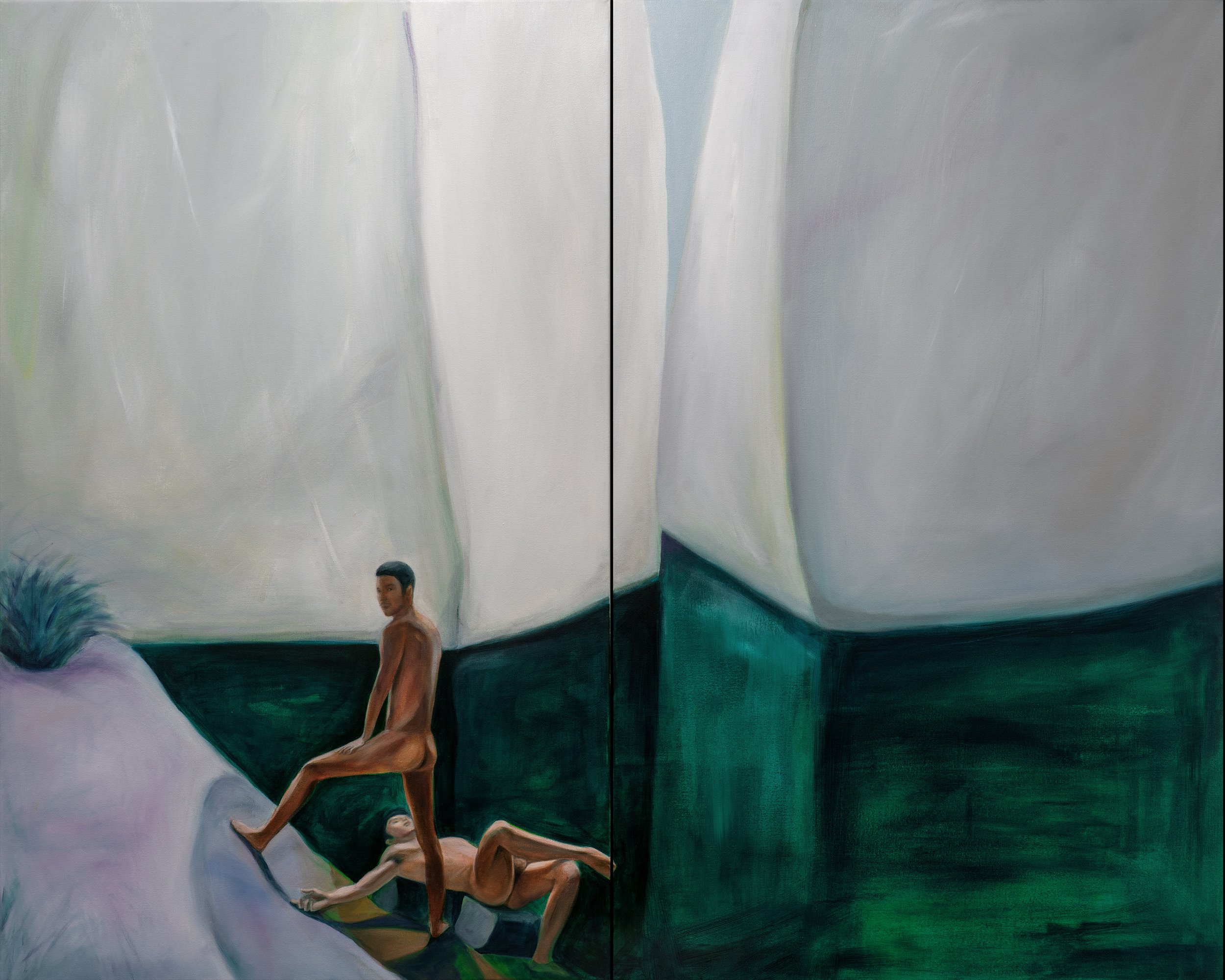
Painting has always been in my mind. I was trained as a painter before I became a photographer. I studied painting in China before I moved to the States, so it was very natural for me to go back to painting. I discovered photography when I moved to the US for art school and became fascinated by it. So I followed my heart and concentrated on photography. After many years of making photographic work, however, I began to feel a desire to find other ways to expand my ideas and explore new possibilities. Painting naturally came back into my practice. It allows me to reinvent things, to open up the narrative, and to create an extended space for imagination.
How do you understand the relationship between photography and painting within your practice? Do they require different ways of thinking, or do they naturally flow into and influence one another?
Photography and painting influence each other in my practice. I use my photographs as inspiration. I look through my contact sheets and archives, and certain images begin to speak to me in a painterly way, but I don't want to simply copy the photograph.
I want to reinvent it.
My photographic work is very close to reality. I try not to stage a moment, but rather let things happen organically in the moment. Painting allows me to open up the story, to reinvent, and tell it differently. Because of that, the two mediums have started speaking to each other. They come from the same root, and they converse with one another. When I make a painting inspired by a photograph, I remember the moment when I took that photograph. The story grows and extends through the painting. Sometimes I look at a finished painting and realize that even though it came from the idea of a particular photograph I made, it ends up looking completely different.
When you talk about these ideas emerging, what feels most pressing in your practice right now?
A few years ago, I had what felt like a breakthrough moment. It was very visceral. I remember thinking to myself that I’d been making photographs for a very long time, and that all these different series were really one body of work, and that I should expend my ideas in other ways I could tell my stories.
So I started experimenting with other mediums. I explored performance, which you’ve seen, and I also started writing. My creative journey has really blossomed over the last few years. Everything now interweaves. Writing a short story can evoke an idea for a painting or a performance. All these different mediums are echoing together.
Because you're predominantly working by yourself, unless it's a performance, do you find that process isolating? Or is it more meditative, even healing?
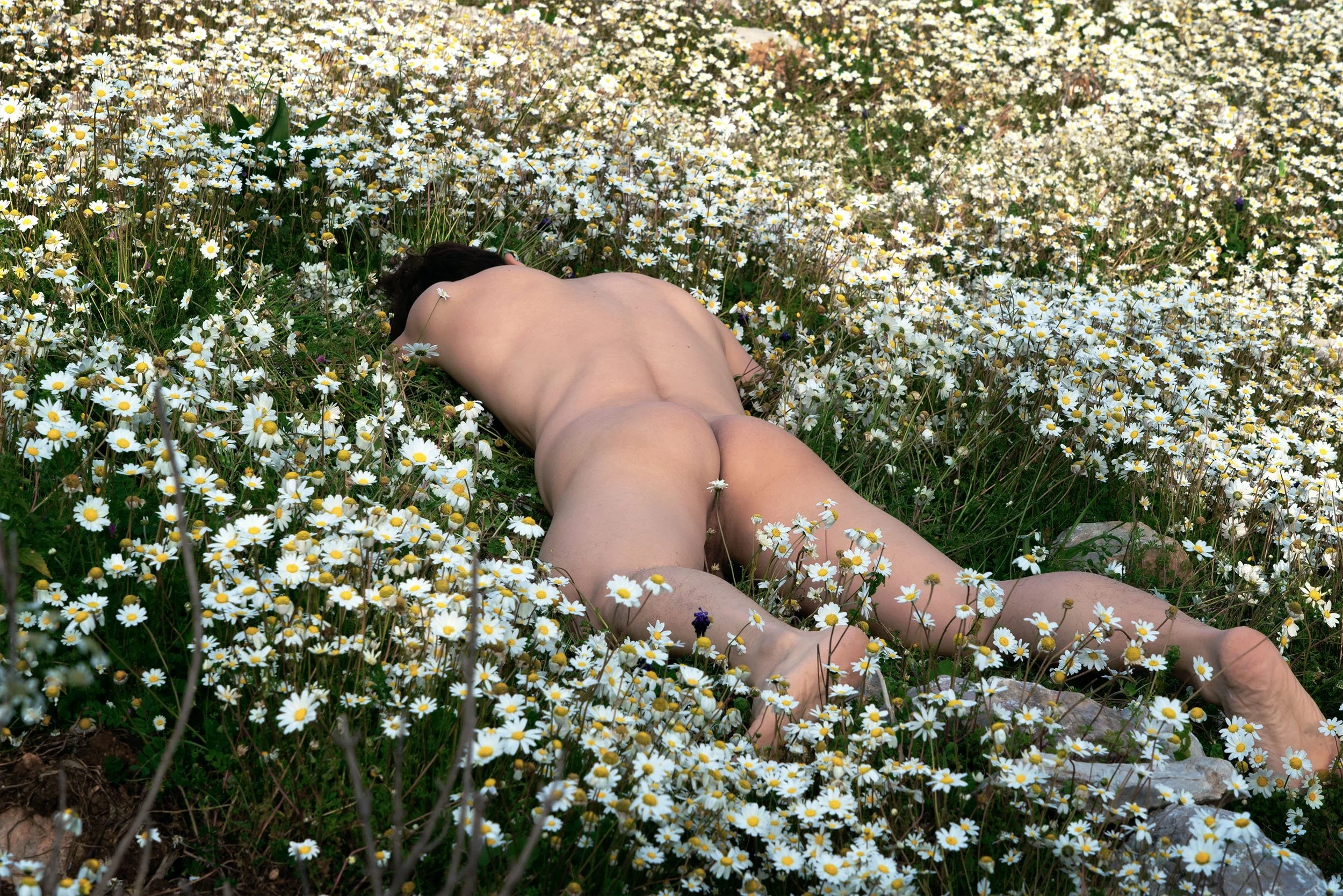
I love the idea that being alone is not the same as being lonely. I enjoy solitude, the time to reflect on my life, my work, and simply be present with myself in a particular moment. When I’m making work, I really appreciate being alone. It feels restorative rather than isolating.
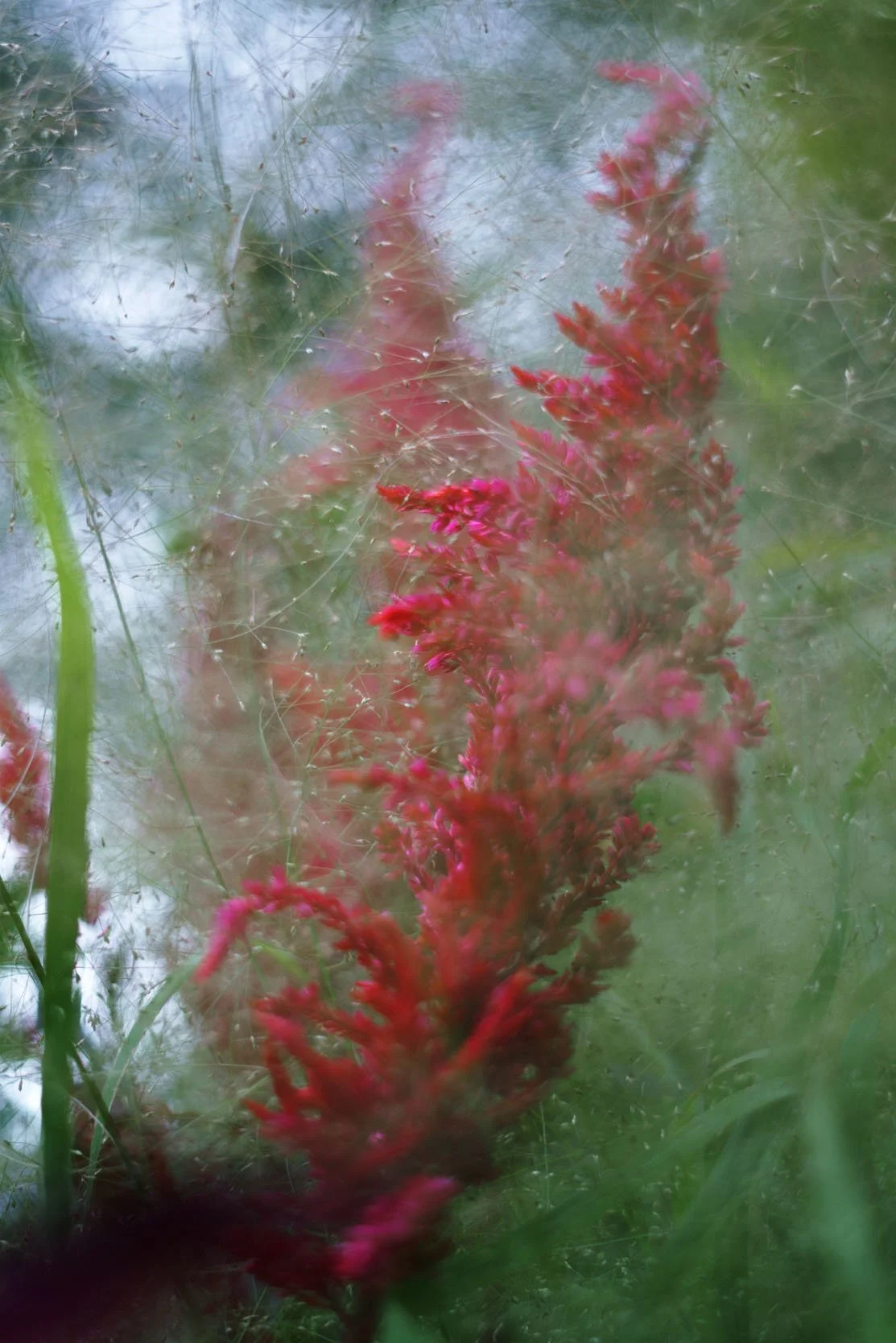
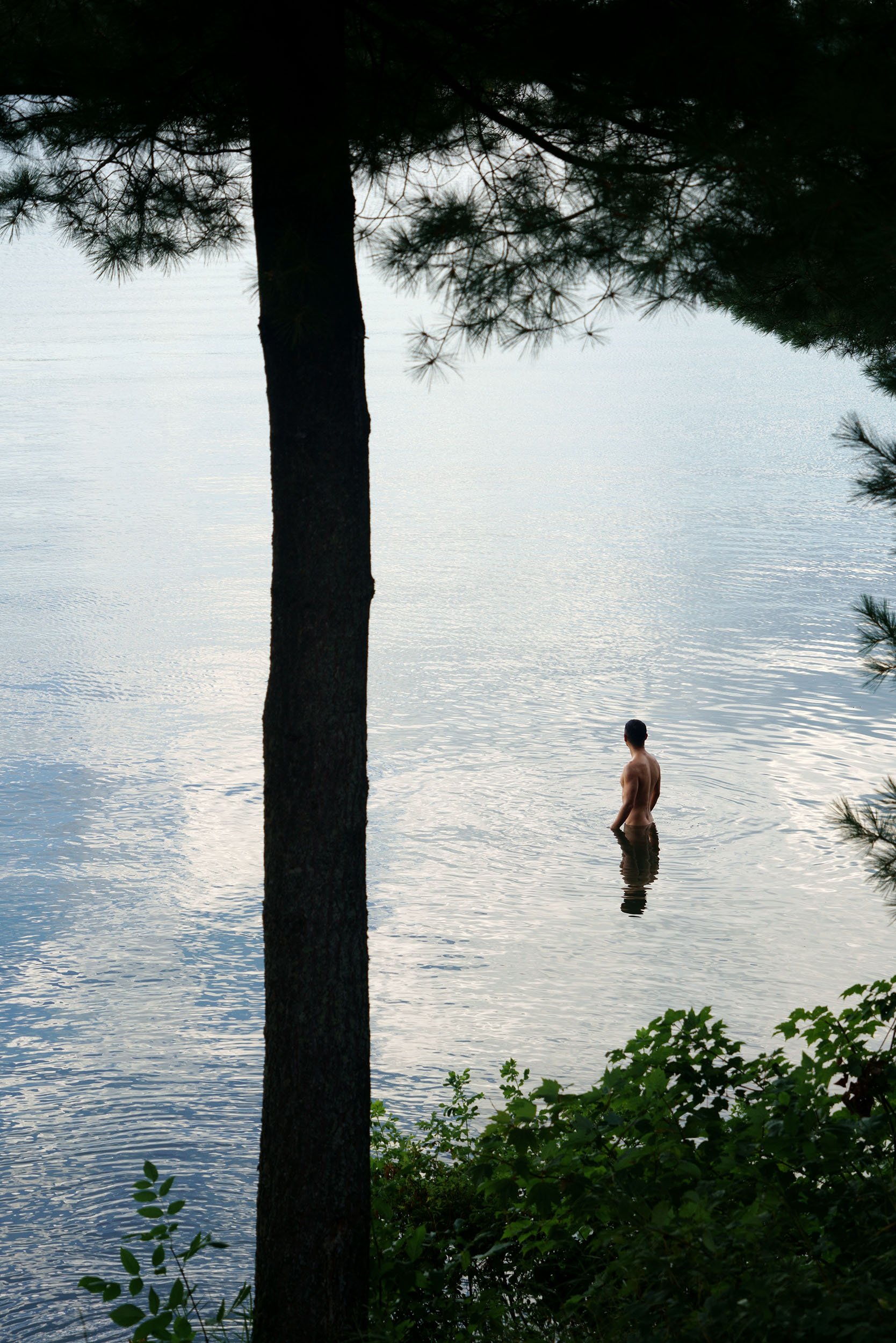
At the same time, I deeply value meaningful connections: with people, with nature, and through the experiences I have. Many of my self-portraits are created in nature. When I’m outdoors, it almost feels like I’m creating a work together with nature. That relationship is extremely important to me. That’s why you often see me in water, in forests, or surrounded by botanics in my work.
Your self-portraits feel remarkably intimate. How do you navigate the balance between revealing yourself and creating room for the viewer's own projections?
I’m telling my story as an artist, but the audience completes the work with their own interpretation. I like my work to be open-ended; the story is never fixed or predetermined. When someone encounters the work, they bring their own experiences, memories, and emotions to it. That is where their own interpretation begins.
For me, it isn’t necessary for my original intention or conceptual idea to translate exactly into how the audience understands the work. In many ways, I find it much more meaningful to see how people respond and what they bring from their own lived experiences into the conversation. Witnessing the different ways people connect with and interpret the work is one of the most exciting parts of making art for me.

I’m curious how that changes in a live performance setting. When you’re no longer encountering the audience’s response after the fact, but feeling it unfold in the moment, what happens internally for you?
I’ve done my latest performance “Knee Touching Knee” three times, in New York, Hong Kong, and Amsterdam, and each setting completely transformed the experience.The New York version felt theatrical, almost like a stage within the gallery, where the audience had to decide whether to step into the performance space.The Hong Kong performance took place in a tiny room. People queued outside and entered oneat a time, creating an intimate, private encounter. It was fascinating to see how people reacted in such a close environment.
The Amsterdam performance was in a large, open gallery where people could come and go freely. It was also during Amsterdam Art Week, so a fairly large audience gathered around me. Culture shaped these experiences. In Hong Kong, people were initially reserved, but once inside that intimate room, they became remarkably open. In New York, people hesitated, since participating meant stepping onto the stage and becoming part of the performance themselves.
Amsterdam was the most unexpected. It was the brightest environment I’d ever performed in, and I wasn’t expecting that. Sitting there mostly naked, I felt far more vulnerable than in the other two performances. But then something surprising happened: the audience began to comfort me. Their engagement eased my insecurity, and that unexpected human bonding became an essential part of the work’s emotional exchange, in a way I hadn’t anticipated.
I was present for your performance in Amsterdam, and I was struck by how the audience seemed to gently dissolve the distance between observer and performer. It felt almost as though their participation created a sense of trust. Did you experience that shift as well?
Yes, exactly. It was the opposite of Hong Kong. In Hong Kong, I had to reassure people. I had to comfort them. In Amsterdam, people came to reassure me. They wanted me to understand how they felt and how much they appreciated the experience. The exchange became incredibly comforting. It gave me a sense of connection and a feeling of greater security within the vulnerability of the performance.
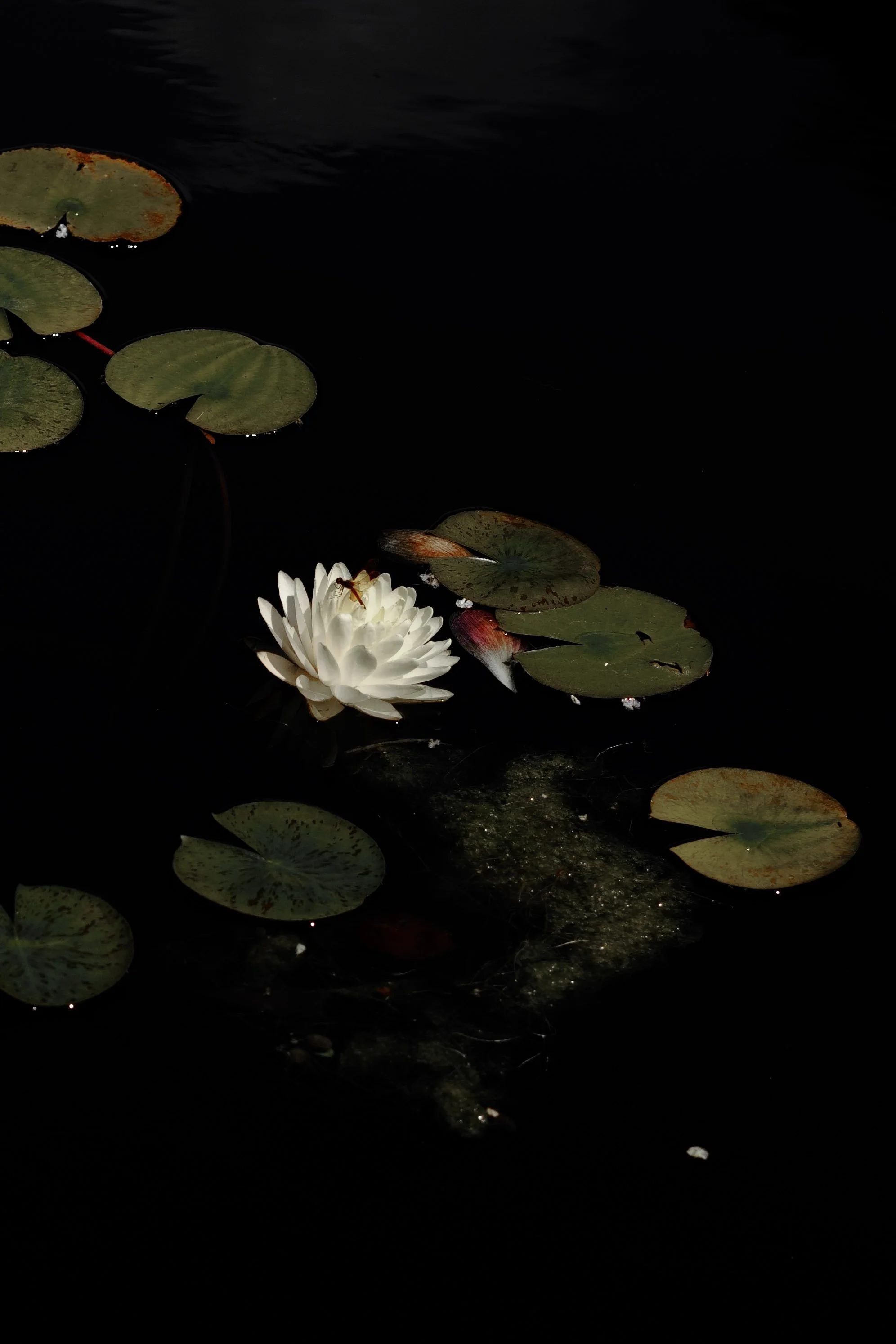
I’d love to come back to your relationship with nature, because it feels like such an important thread in your work. When you’re selecting a landscape to photograph, what is it that calls you to a particular place?
Over the course of my career, I’ve kept returning to serene bodies of water: lakes, quiet rivers, swimming holes. A small body of water holds so much mystery and emotion, an intimacy that resonates with me. Water has always run through my favorite paintings. Bosch comes to mind: his pools of water are places people enter one way and emerge transformed. In Chinese Shanshui paintings, water is often left as empty space on the page, the way a poem leaves room between its lines for the reader to fill in.
When I first arrived in America, I knew very little about Western art history. The art history I studied in China was limited and centered around Chinese traditional art. It wasn’t until I arrived in America, visited museums, and stood in front of the masterpieces in person that I truly began to understand them. So many artists’ work evokes something I can’t put into words. It awakens certain feelings in me, and painting and photography carry those emotions into my own visual language.
Traveling has always been one of the most important parts of my life. It feeds my work with cultural and environmental flavor, and it’s been my truest mentor as an artist.
Your work has long explored ideas of desire, intimacy and beauty. As you continue developing this new body of paintings, are you still exploring those same themes, or are you moving towards a different narrative?
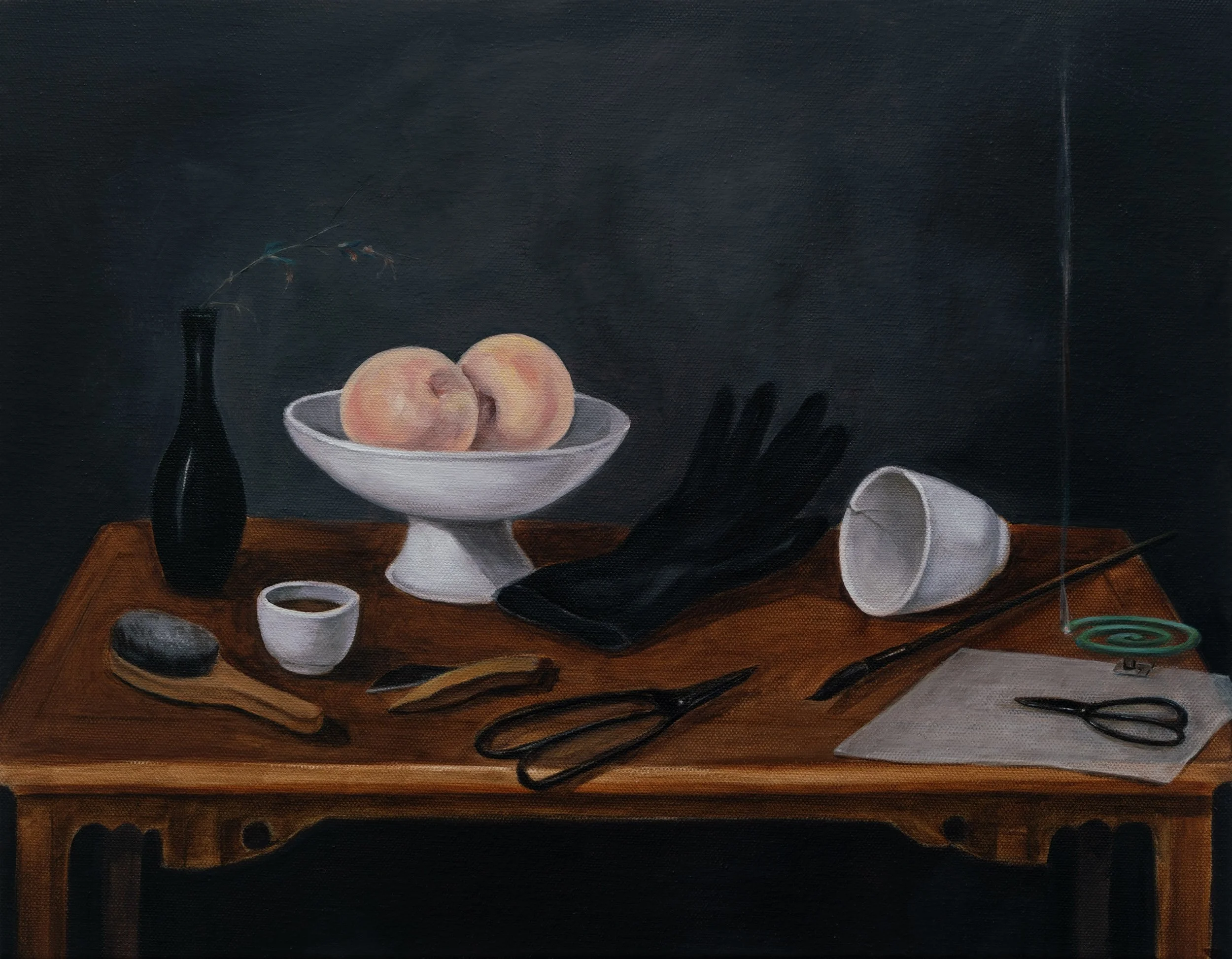
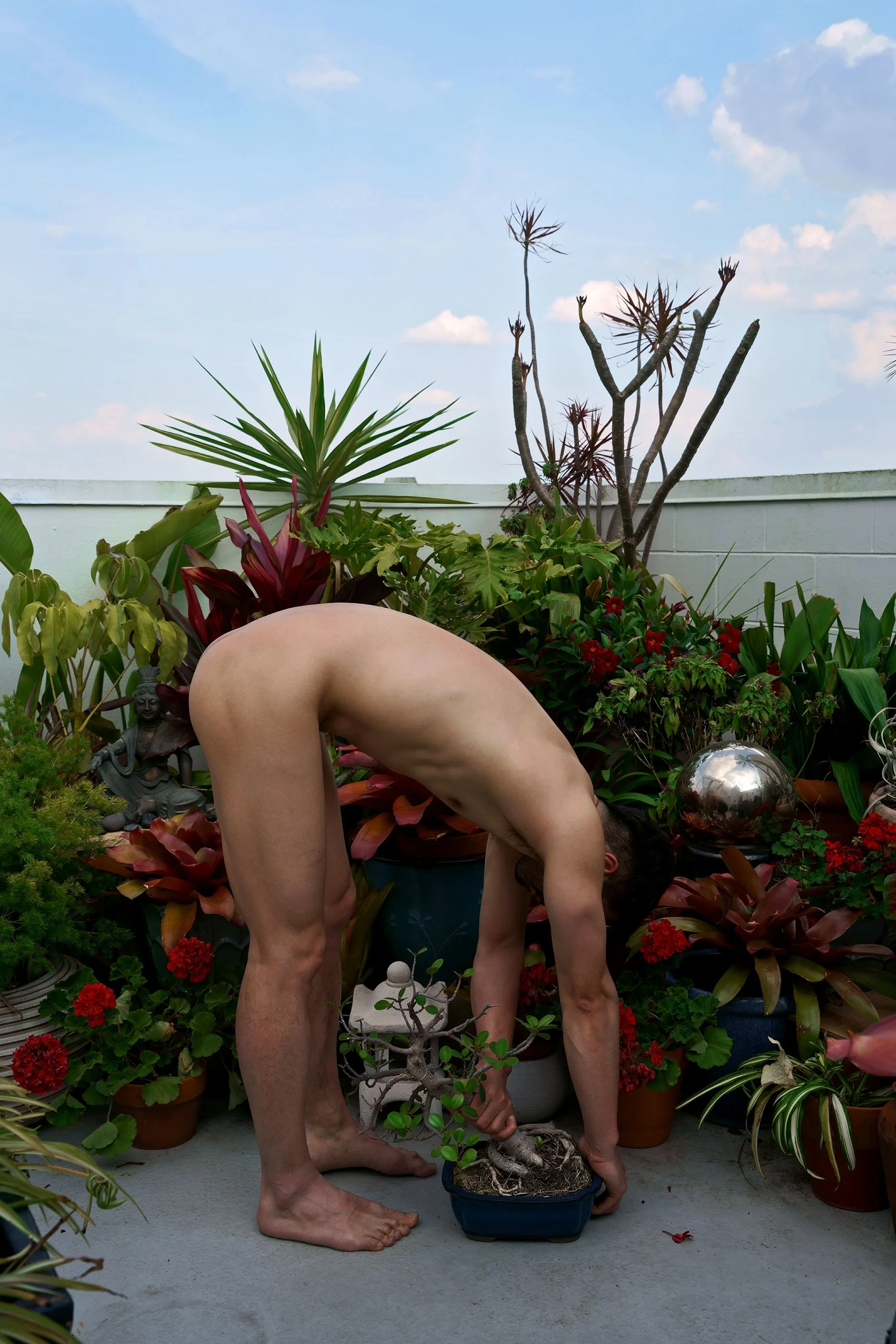
When I first returned to painting, I found myself drawn to landscapes without people, searching for a new narrative. Painting let me move beyond observation and into imagination. I began creating fantastical garden worlds, places that could exist only within the painting itself. Many of those works feature bonsai and scholar rock gardens, bringing together memories of my childhood, East and Western garden traditions, queer culture, and other personal references, woven into landscapes that felt both familiar and otherworldly.
I’ve always been fascinated by bonsai, the way it distills a seemingly vast landscape into such a small, intimate form. That’s stayed with me and keeps finding its way into my work.
Do you believe that fascination is rooted in your childhood and your experience of growing up in China, or has it taken on a more personal meaning over time?
Growing up in Shanghai, bonsai were like furniture; they were simply part of everyday life. I grew up in the historic Longtang, where the lanes formed a kind of maze. As you walked through those narrow lanes, you would see bonsai everywhere, in every corner, on the porches, and in front of the houses.They were so familiar that, over time, I almost stopped noticing them. Despite their extraordinary beauty, they became part of the ordinary rhythm of daily life.
It wasn’t until I left that environment that I realized how precious they had been. Distance gave me a new appreciation for them, and I began to understand just how much I missed their quiet presence.
There’s something beautiful about that; the way familiarity can make us overlook what later becomes a source of comfort or longing.
I think one of the reasons I’m so drawn to bonsai is because I grew up in a place where nature was relatively scarce. The part of the city where I lived was very industrial, with few parks or green spaces. In response, people created their own small landscapes through bonsai and miniature gardens.
Later, when I started to study the rich history of Chinese landscape and architecture painting, those early memories took on a new significance. I found myself becoming deeply drawn to these imagined worlds and the emotions they evoke.That fascination has naturally found its way into my work.
I love placing myself within those environments, allowing them to become spaces of reflection, imagination, and belonging. For me, there’s something profoundly moving about inhabiting those worlds, even if only through the act of making an image.
Beauty has always been present in your work, but it never feels merely aesthetic, it often becomes a way of speaking about fragility, desire, solitude or transformation. Has your understanding of it evolved?
Beauty has always been important to my work. It functions more as a foundation, something theideas, emotion, and complexity of the work can grow from and push against. Those elements coexist with beauty rather than serve it, and together they give the work its depth.