
The Armory Show 2026: An Insiders Guide
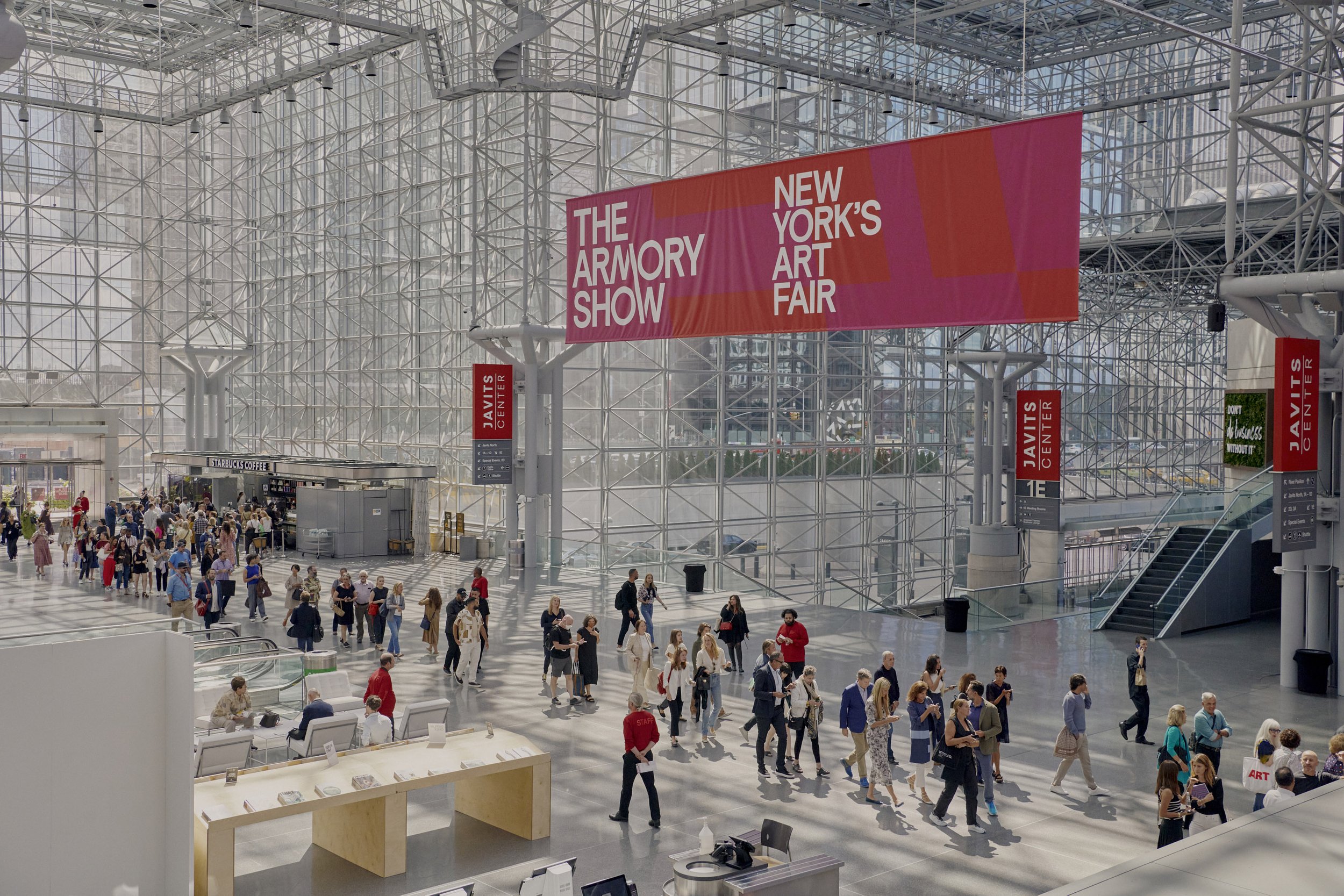
The Armory Show makes its definitive return to New York, taking over the Javits Center to anchor the fall art season. Moving far beyond a standard commercial fair, this year’s edition asserts itself as a dynamic, curated space where established market movements meet fresh, urgent perspectives from across the contemporary landscape.Throughout the fairgrounds, the prevailing atmosphere reflects a shift toward depth and narrative rigor. Exhibitors are stepping away from high-gloss spectacle, instead framing their booths as focused, immersive environments—pairing canonical post-war masterworks alongside hyper-contemporary inquiries, presenting ambitious solo surveys, and fostering cross-generational dialogues that invite slower, more contemplative viewing.For the intentional collector navigating an increasingly complex market, The Armory Show remains a critical compass: a place not only to re-engage with familiar, enduring names, but to uncover the emerging practices shaping the future of the medium. Below, we’ve highlighted 10 standout booth presentations that capture the essential energy, materiality, and curatorial vision of this year’s fair.193 Gallery
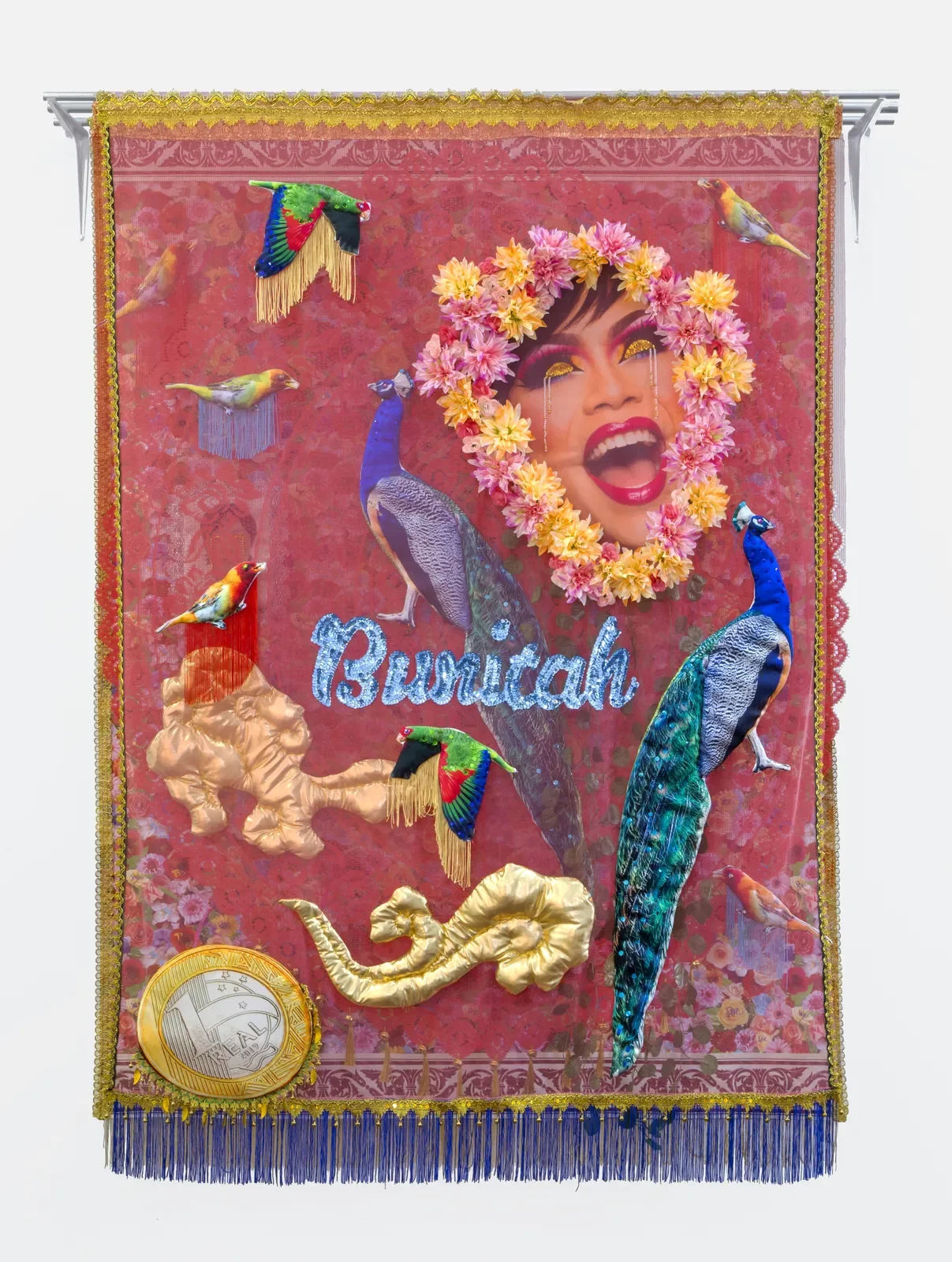
Artist: Shinji Nagabe
Booth 300
Japanese-Brazilian artist Shinji Nagabe presents a striking body of textile-based photographic works that interrogate identity, heritage, and the complexities of the post-colonial gaze. Merging staged, highly saturated photography printed directly onto soft fabrics with intricate hand-sewn embellishments—from sequins and lace to found industrial objects—his tactile dioramas bridge surrealist fantasy with sharp social commentary. By subverting traditional notions of portraiture and exoticism, Nagabe creates an evocative, layered space at the booth that confronts societal expectations while celebrating the fluidity of memory and belonging.Superposition Gallery
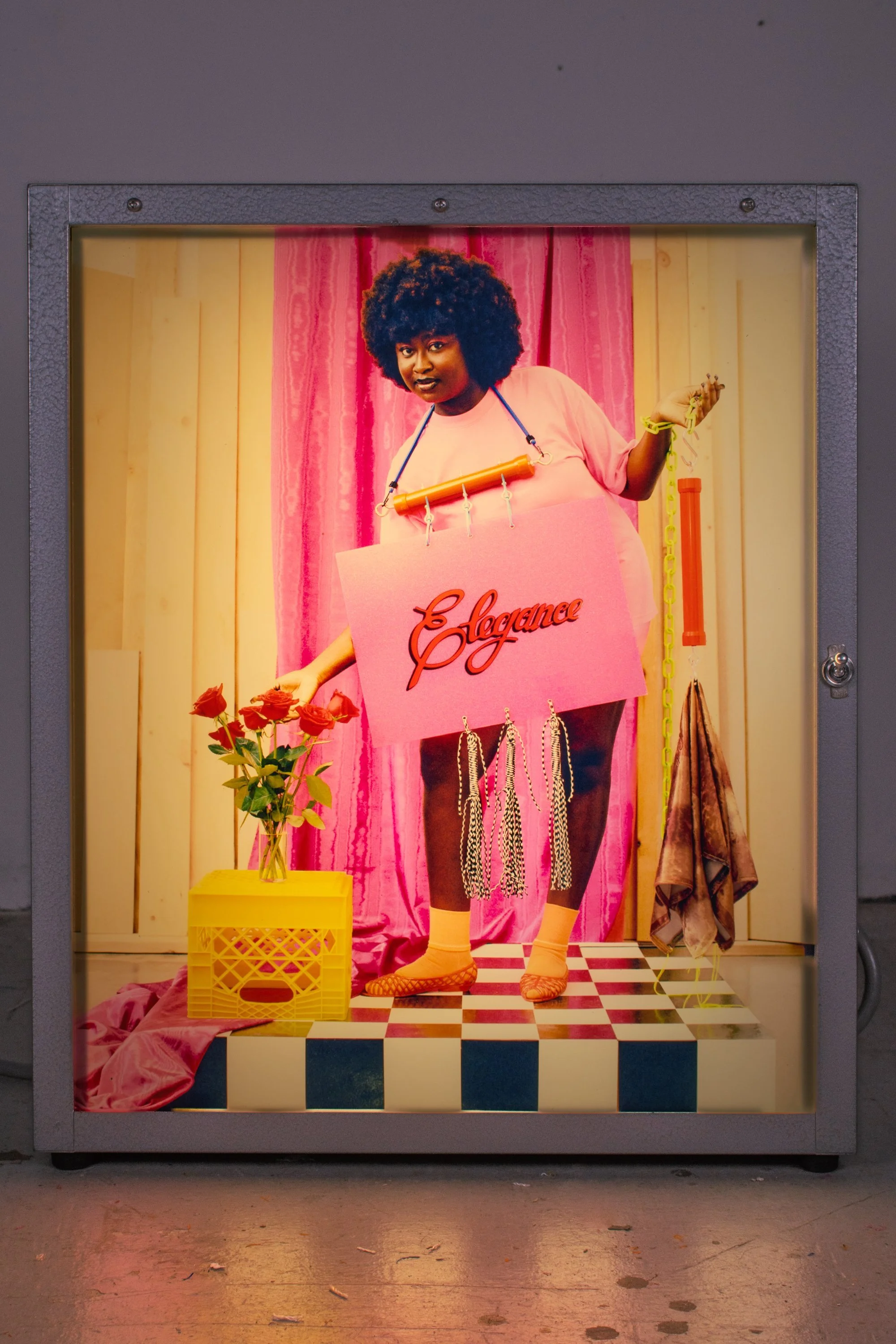
Artist: Zoë Pulley
Booth P10
Brooklyn-based designer and artist Zoë Pulley mines the quiet resonance of the everyday, transforming inherited heirlooms, archival photographs, and tactile "stuff" into powerful meditations on Black identity and collective memory. Spanning textiles, mixed-media collage, and typographic forms, her practice operates like a living archive that elevates overlooked, intergenerational stories into vital cultural artifacts. At Booth P10, Pulley’s work invites viewers into an intimate space where personal lineage and material history intersect, asserting the profound weight found within the ordinary.Margot Samel
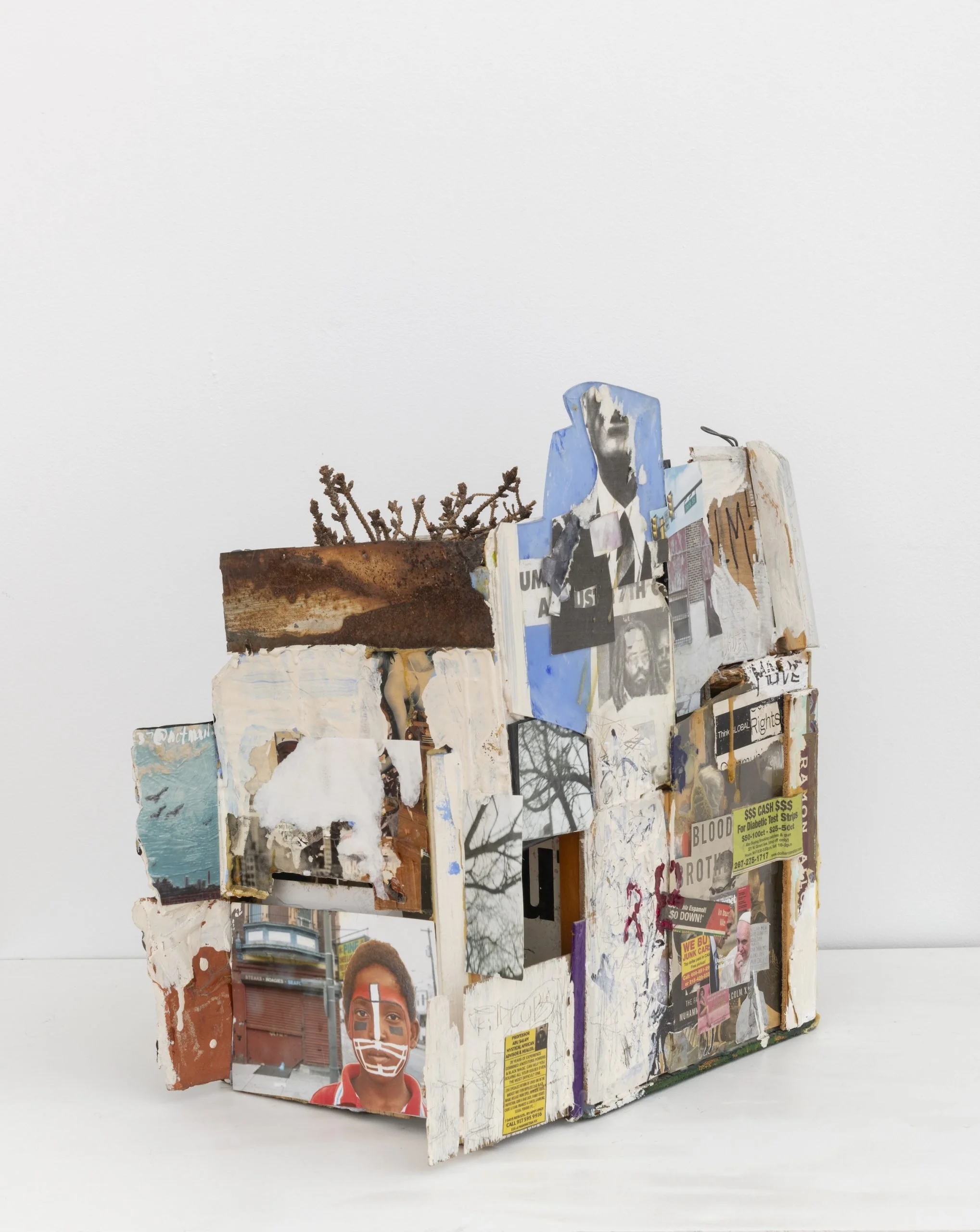
Artist: Leroy Johnson, Sasha Brodsky
Booth P08
At Booth P08, a compelling intergenerational dialogue unfolds between the late Philadelphia artist Leroy Johnson and New York-based artist Sasha Brodsky, both of whom capture the psychic and material life of the American city. Johnson’s densely layered assemblage sculptures—constructed from weathered wood, found debris, and urban detritus salvaged during his daily commutes—serve as architectural repositories of memory, labor, and social change. Paired alongside Brodsky’s atmospheric, printmakerly cityscapes rendered in soft pastels and acrylic on canvas, the presentation creates a rich, textured portrait of the changing urban landscape—balancing Johnson’s gritty tactile realism with Brodsky’s melancholic, transitional spatial observations.Everard Read
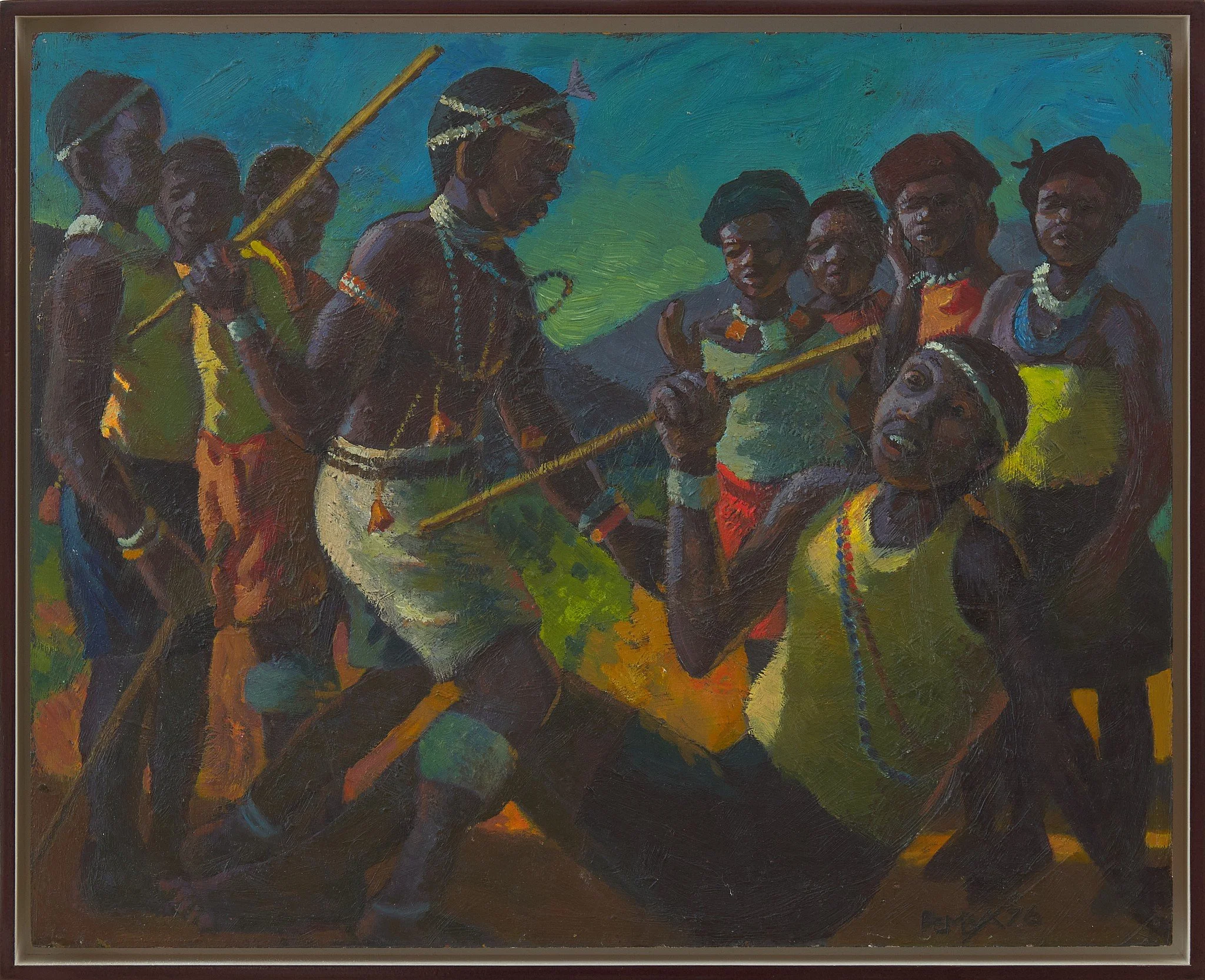
Artist: George Pemba
Booth 203
Booth 203 offers a rare look at the late South African master George Pemba (1912–2001), a quintessential pioneer of social realism whose work documented the complexities of 20th-century Black South African life with quiet dignity and acute humanistic detail. Balancing luminous watercolours with rich, narrative-driven oil paintings, Pemba’s compositions capture everything from intimate domestic routines and urban township scenes to traditional cultural portraiture under the weight of Apartheid. Grounded in a sensitive, unembellished observational style, this presentation underscores Pemba’s historic role in reshaping canonical modernist portraiture while asserting his enduring legacy on the global art market.Perrotin
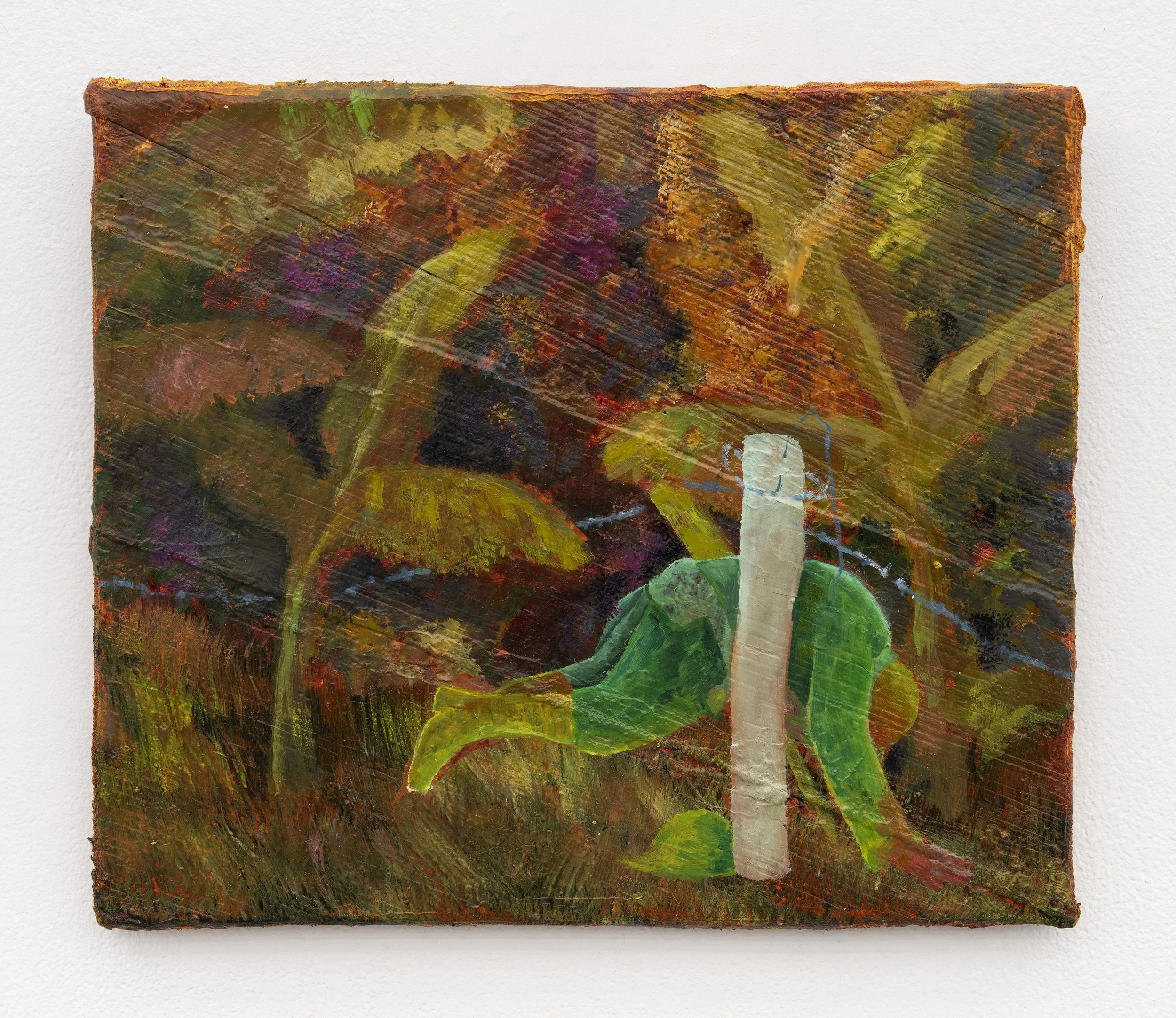
Artist: Kathia St. Hilaire
Booth 100
Kathia St. Hilaire presents intricate, labor-intensive relief print collages that explore the complex web of Haitian history, Vodou iconography, and the Caribbean diaspora. Utilizing a unique reduction relief printing technique, St. Hilaire builds up dozens of layers of oil-based ink onto unconventional surfaces—incorporating skin-lightening cream packaging, industrial wire, and woven fabrics. Inspired by the form and spiritual resonance of traditional Drapo Vodou (Vodou flags), her highly textured tapestries blend personal memory with sharp sociopolitical critique, memorializing the resilience and material culture of transcultural communities.Enari Gallery
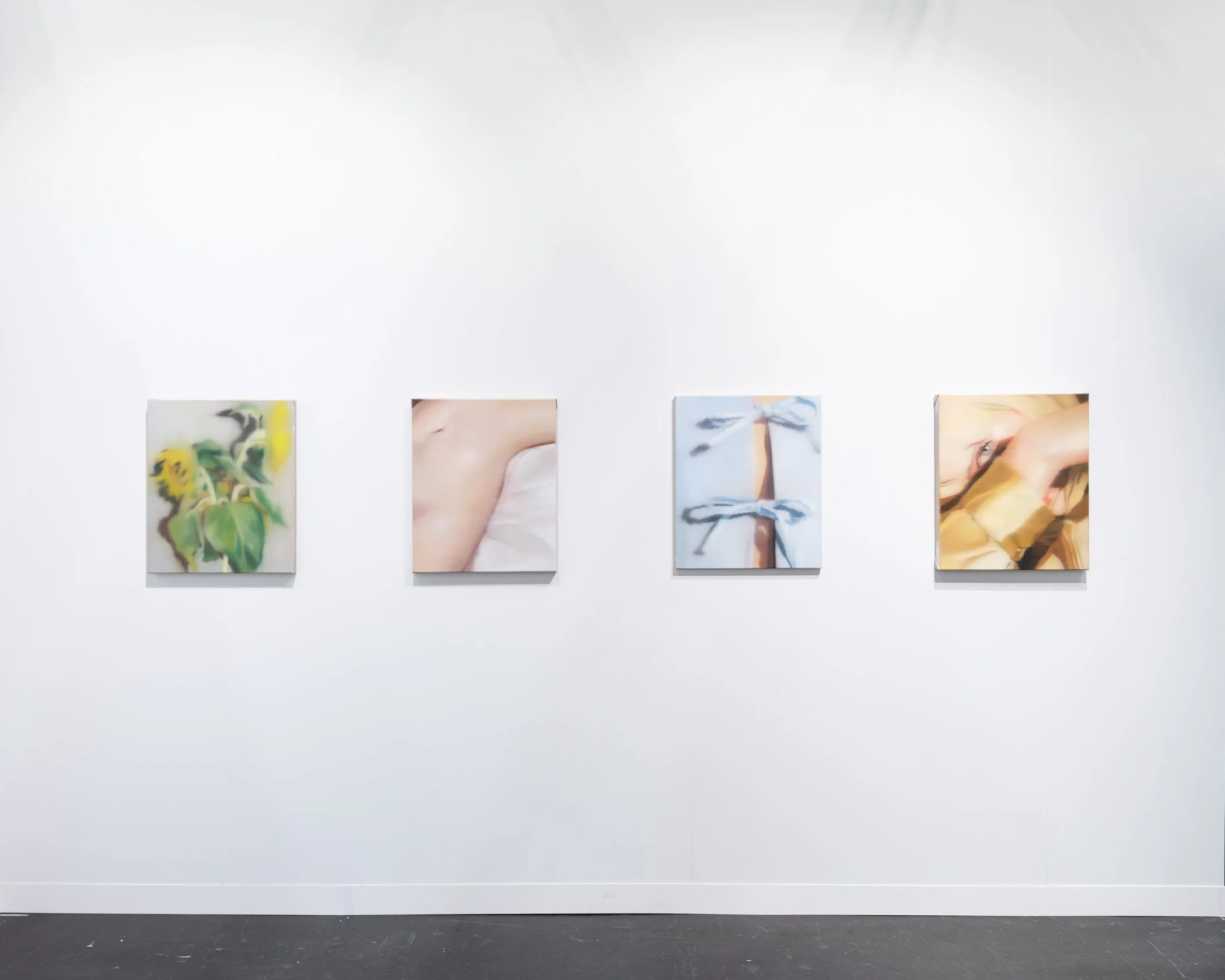
Artist: Johanna Bath
Booth P47
German artist Johanna Bath presents a series of evocative figurative paintings that explore the delicate mechanics of memory, time, and emotional transience. Utilizing a refined sfumato technique—dragging and blurring oil paint across the canvas—Bath translates fleeting moments into hazy, translucent compositions that mirror the fragile way human recollection fades. Sourced from cropped archival imagery and tender close-ups of body language, her muted portraits resist straightforward narration, opting instead to capture the quiet, melancholic intimacy of the present slipping away.Alzueta Gallery
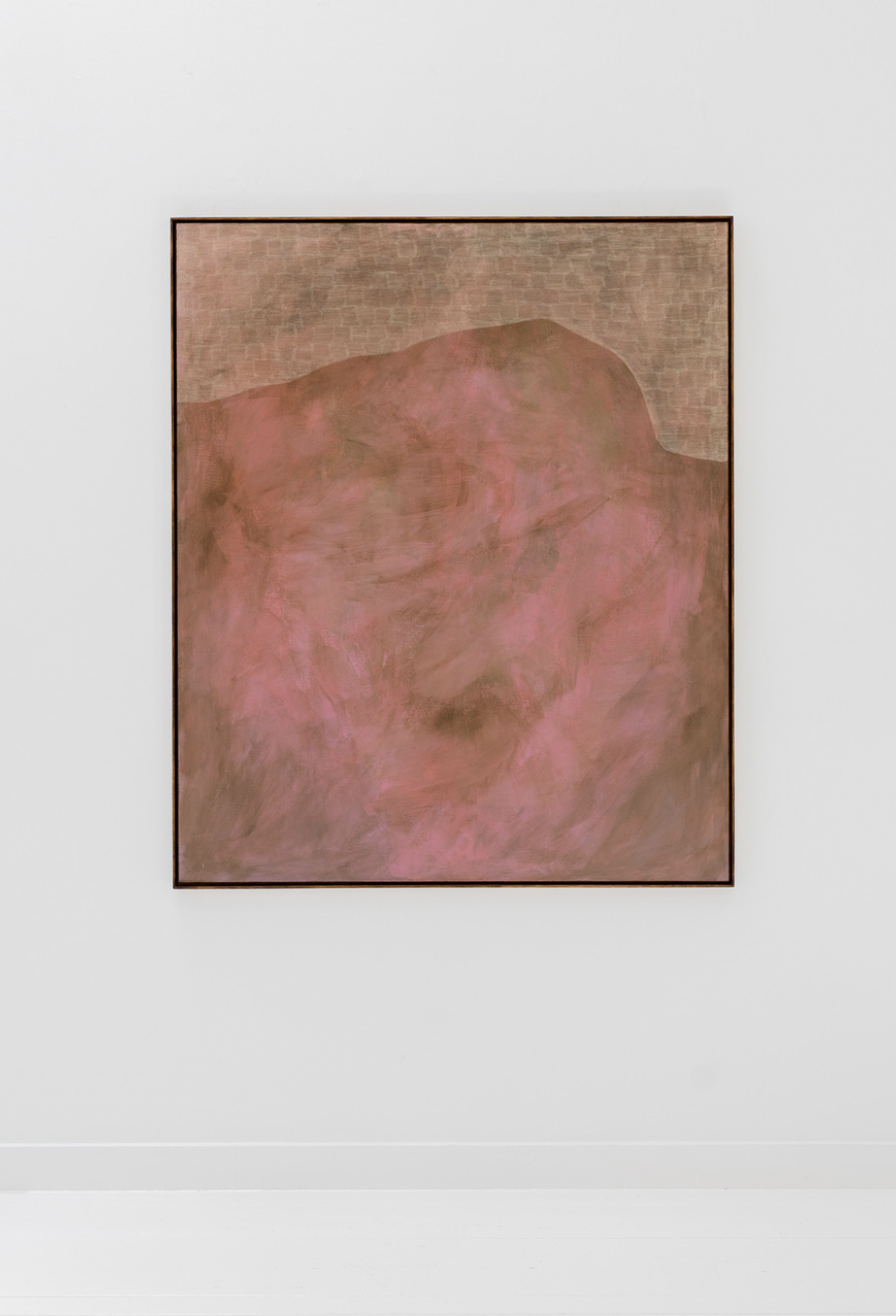
Artist: Maru Quiñero
Booth: 230
Venezuelan artist Maru Quiñnero presents compelling works that interrogate space, geometry, and the subtle architecture of human perception. Drawing heavily from the legacy of Latin American geometric abstraction and Kinetic art, Quiñnero crafts precise, multi-layered compositions that shift as the viewer moves around them. Her work transforms static materials into dynamic visual fields, exploring how light, line, and color interact to evoke both physical weight and spatial weightlessness.Huxley Parlour Gallery
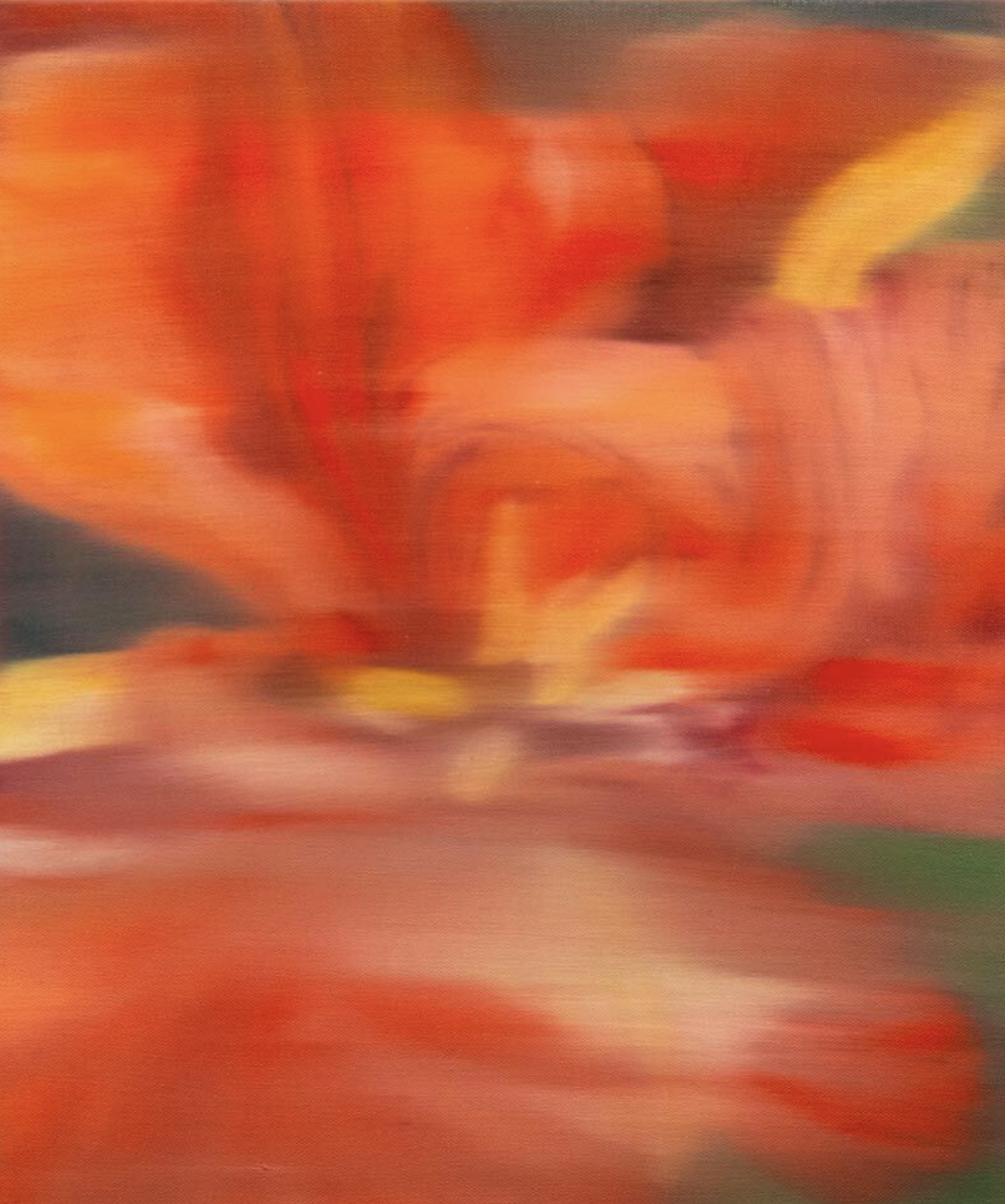
Artist: Alexandre Kasproviez
Booth 231
French artist Alexandre Kasproviez explores the fragile mechanics of memory through dreamlike, atmospheric oil paintings that hover between figuration and abstraction. Building up dense layers of pigment before systematically wiping, blurring, and scraping the surface, his subtractive technique creates a soft, diffused haze that veils figures and landscapes. At Booth 231, Kasproviez’s compositions offer a quiet, meditative space—capturing subjects that feel simultaneously present and slipping away, protected by the delicate translucency of the painted surface.Galerie Bacqueville
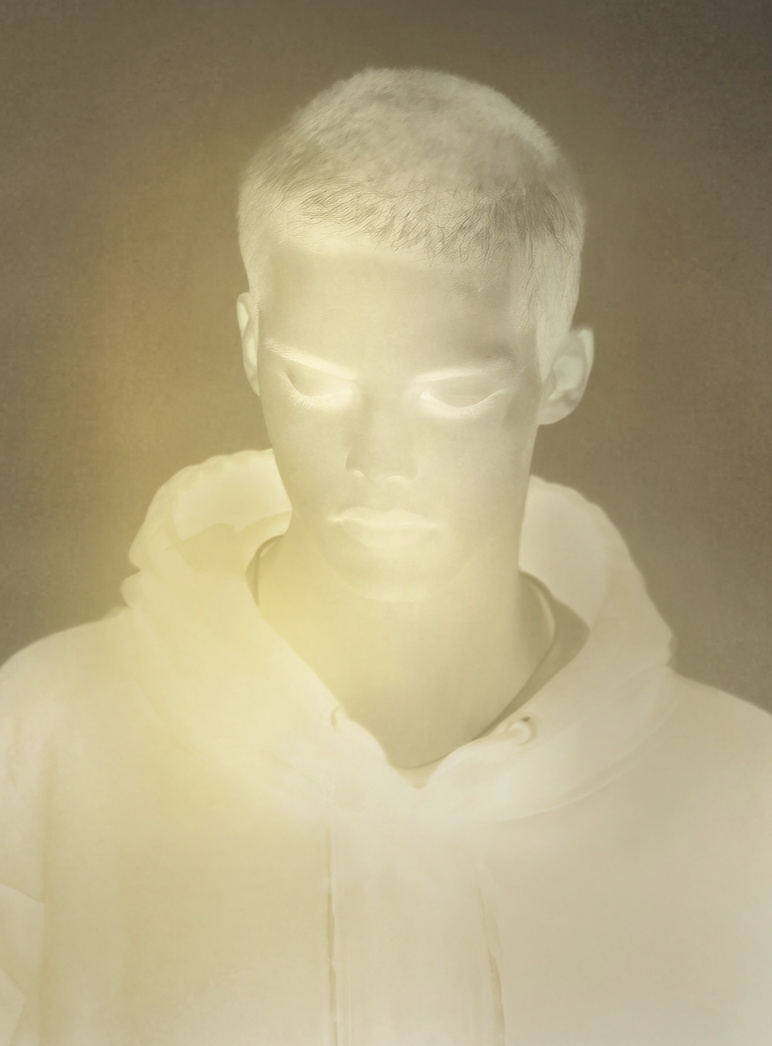
Artist: Thomas Devaux
Booth: 131
French visual artist Thomas Devaux pushes photography beyond its traditional boundaries to explore the contemporary mechanics of desire, ritual, and transcendence. Encased in gold-leaf frames and dynamic NASA-developed dichroic glass, his luminous works manipulate light, color, and reflection to transform mundane consumer imagery into hypnotic, atmospheric totems. The resulting presentation creates a deeply contemplative experience, challenging the viewer to consider how modern consumerism functions as a new form of secular worship.Galerie Ron Mandos
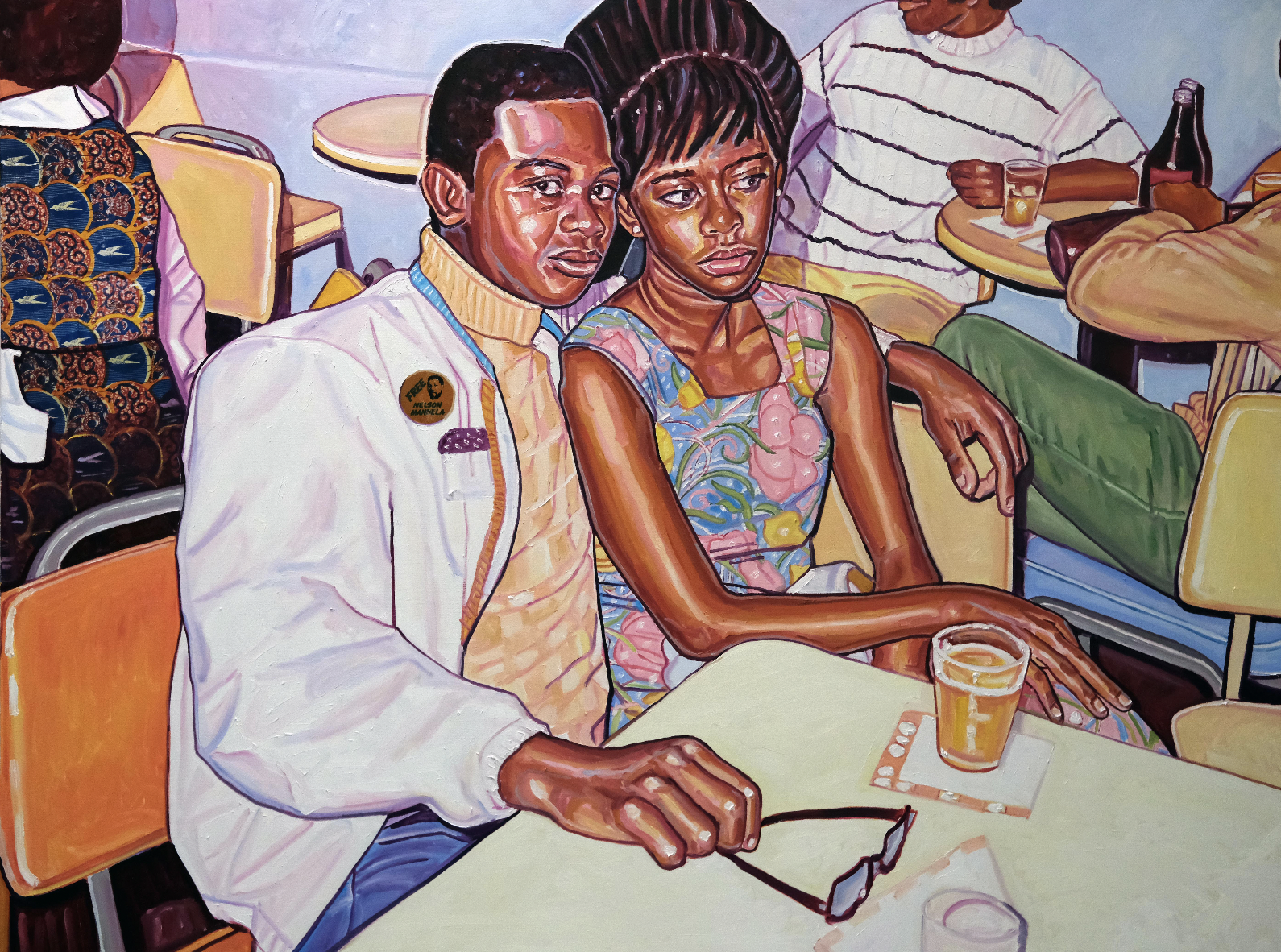
Artist: Esiri Erheriene-Essi
Booth 139
London-born, Amsterdam-based artist Esiri Erheriene-Essi presents vibrant, layered figurative paintings that reclaim and center Black histories often sidelined in dominant cultural narratives. Working from a personal archive of vintage photographs, newspapers, and home media, she combines rendered portraiture with expressive patterns, screen-printed textures, and hand-written snippets of text. Her compositions create rich, narrative-driven tapestries that celebrate the dignity, joy, and quiet resilience of everyday life across the African diaspora, inviting viewers into a thoughtful re-examination of the historical archive.