
Inside Christie’s Record-Breaking $1.1 Billion Evening Sale
There are auction evenings that reflect the market. And then there are evenings that alter its psychological direction entirely.

ROY LICHTENSTEIN (1923-1997), Anxious Girl, 1964, Price realised USD 46,060,000
Christie’s May marquee sales in New York did not only produce extraordinary numbers, they delivered a decisive statement about the return of confidence at the highest level of the global art market. Against a backdrop of economic caution, geopolitical uncertainty, and two years of visible recalibration across the auction world, the house achieved over $1.1 billion in total sales, led by a historic $181.2 million result for Jackson Pollock’s Number 7A, 1948.The sale immediately entered the category of auction folklore.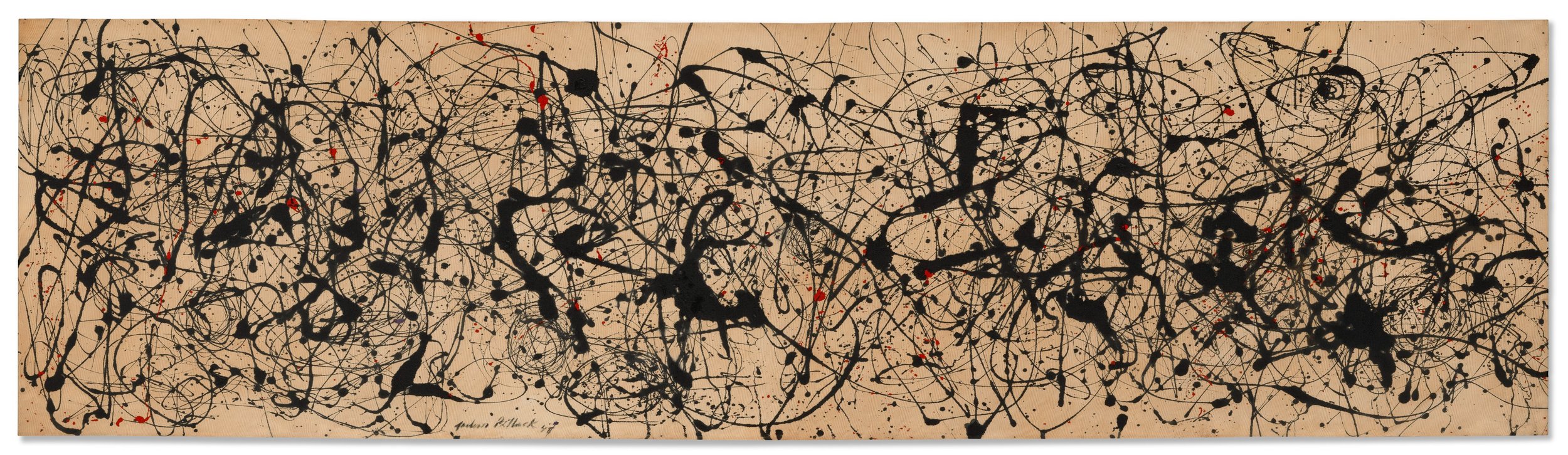
JACKSON POLLOCK (1912-1956), Number 7A, 1948, Price realised USD 181,185,000
For months, the broader market narrative had centered on hesitation. Estimates softened. Guarantees became increasingly selective. Collectors grew more conservative, directing attention away from speculative contemporary material and back toward museum-grade masterpieces with unquestionable historical significance. Christie’s did not challenge that shift, it crystallized it. The Pollock became the defining image of the week not only because of its staggering price, but because of what the bidding represented psychologically. The work embodied scarcity in its purest form: a canonical postwar painting, institutionally recognized, historically embedded, and nearly impossible to replace. The competition around it revealed something essential about today’s top-tier collectors: they are still willing to spend aggressively, but only for works that feel definitive. And “definitive” became the operative word throughout the evening.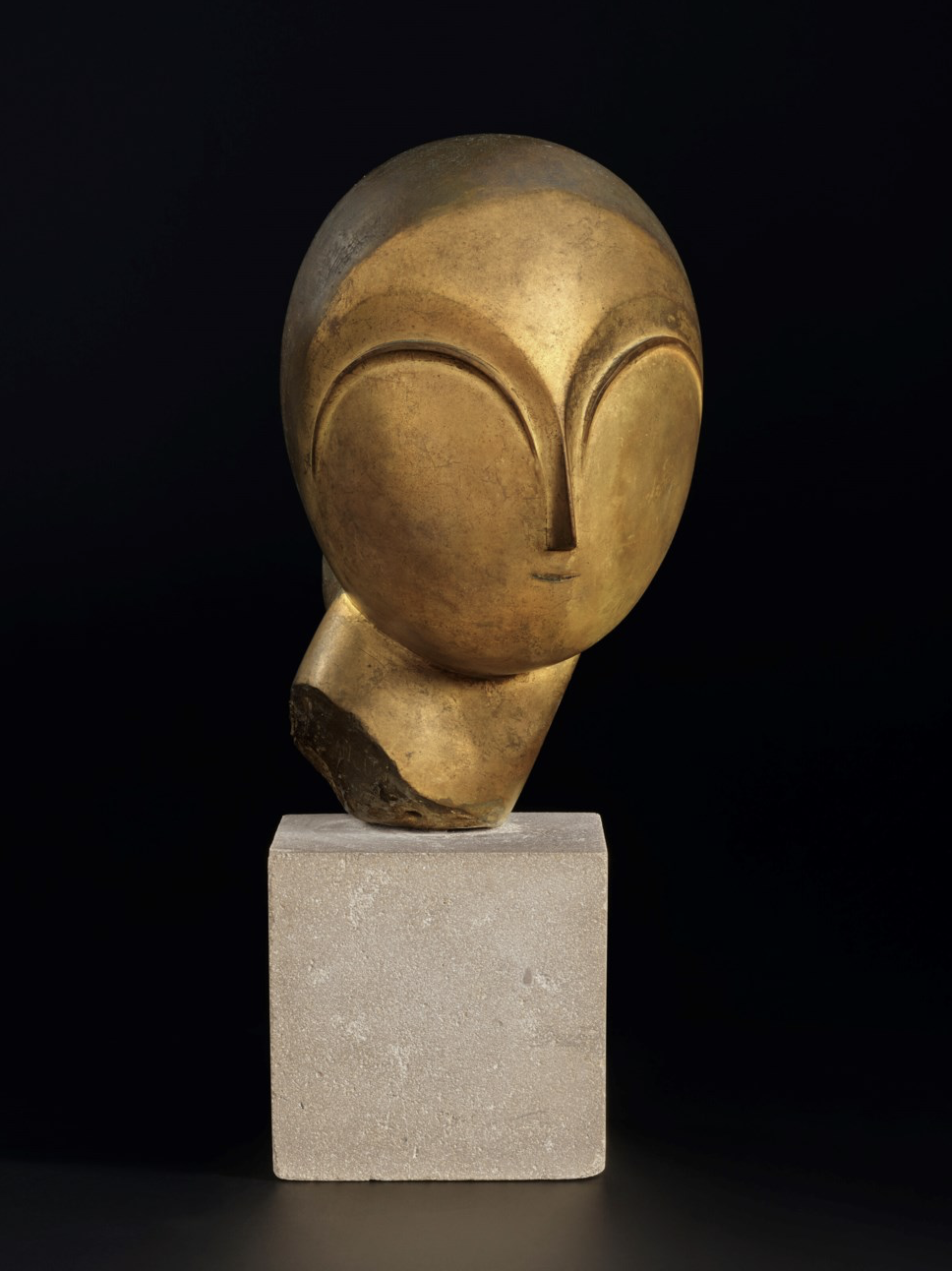
CONSTANTIN BRANCUSI (1876-1957), Danaïde, Conceived and cast circa 1913, Price realised USD 107,585,000
A monumental sculpture by Constantin Brâncuși surpassed $100 million, while works by Mark Rothko and Claude Monet reinforced the extraordinary resilience of blue-chip historical material. The atmosphere inside the saleroom felt less speculative than ceremonial, less about trend-chasing and more about permanence.That distinction matters profoundly in 2026.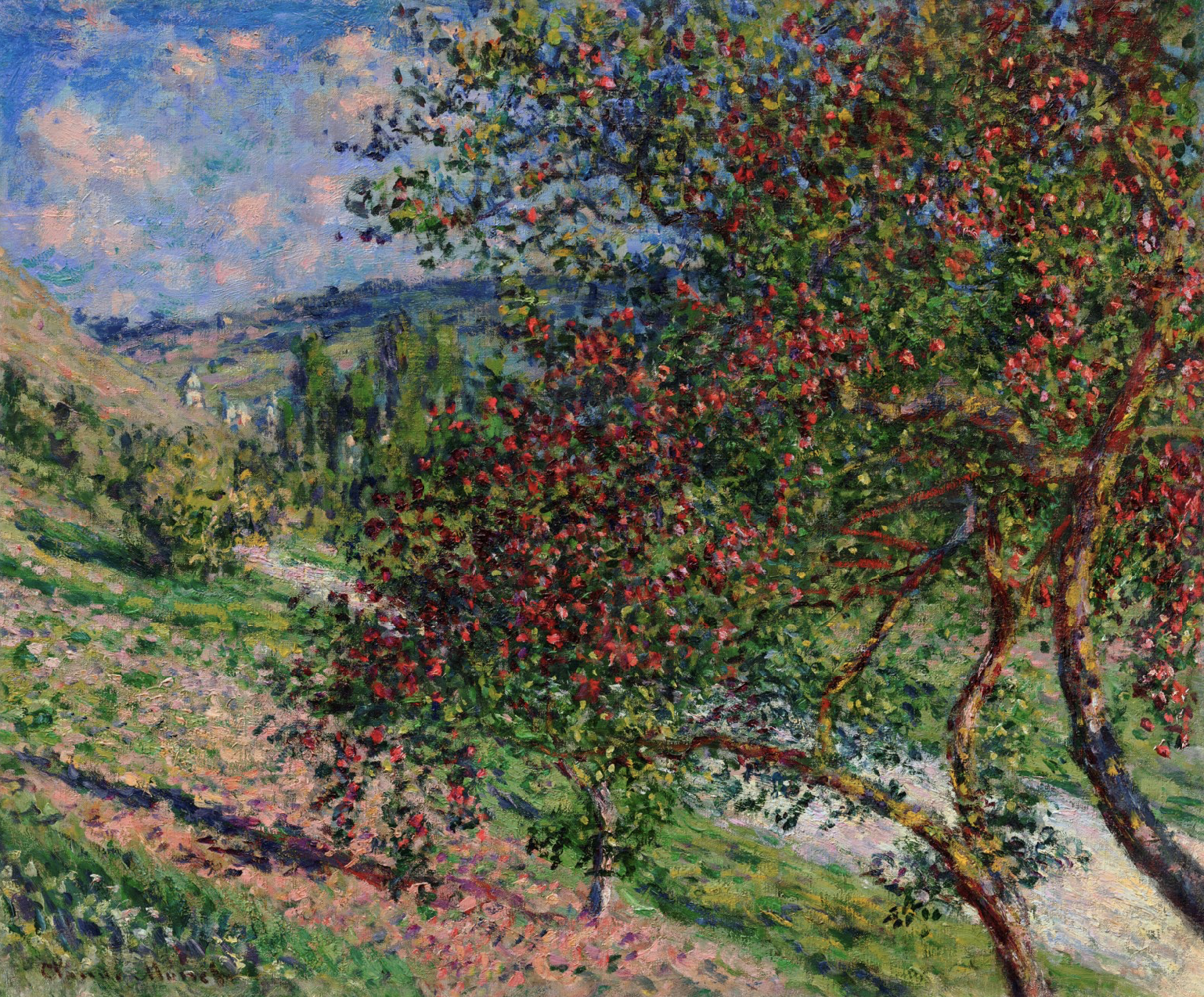
CLAUDE MONET (1840-1926), Pommiers, Vétheuil, 1878, Price realised USD 19,610,000
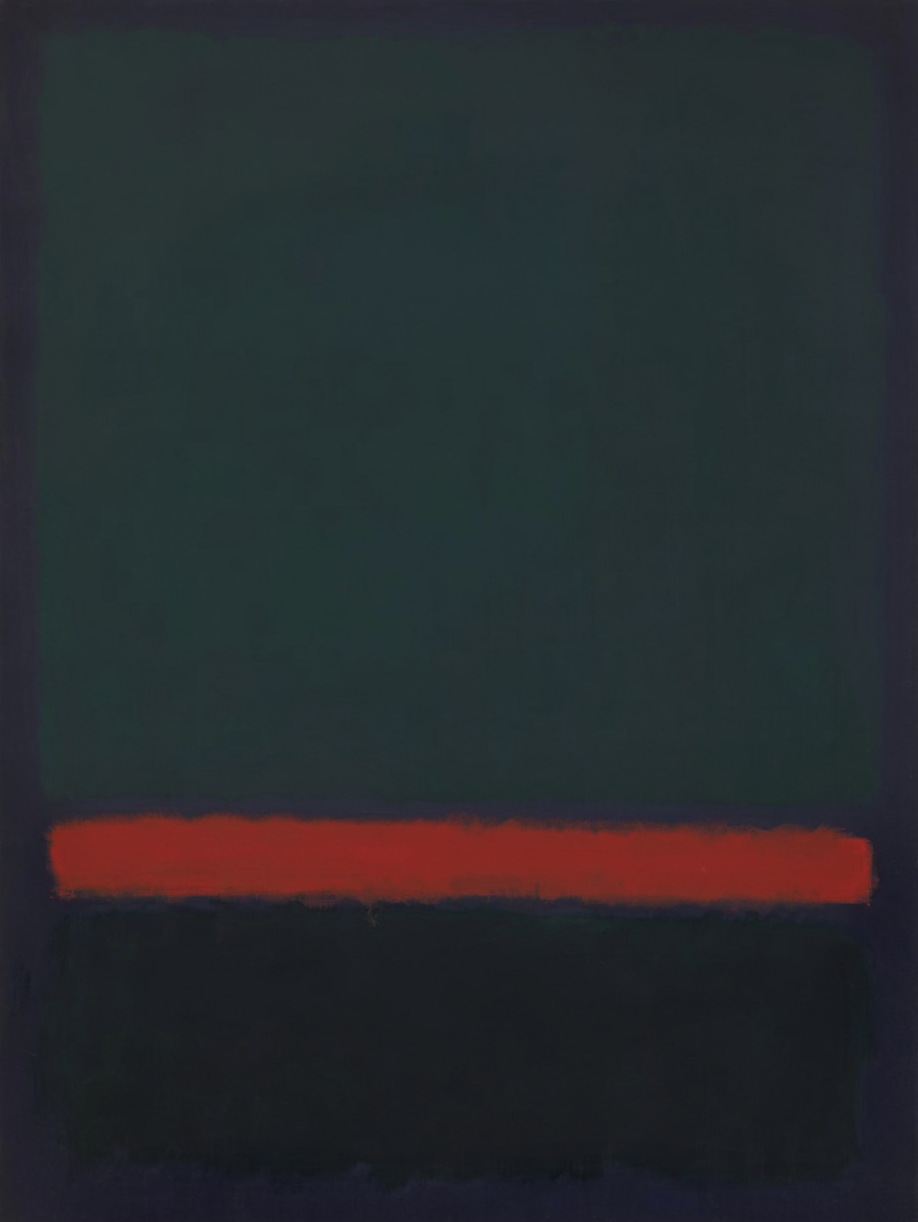
MARK ROTHKO (1903-1970), No. 15 (Two Greens and Red Stripe), 1964, Price realised USD 98,385,000
The post-pandemic auction boom created an environment where velocity often overshadowed scholarship. Younger ultra-contemporary artists surged rapidly, estimates escalated aggressively, and collecting behavior occasionally resembled financial trading more than connoisseurship. What followed, inevitably, was correction. But Christie’s demonstrated that the correction was never truly about the disappearance of wealth. It was about the disappearance of certainty. This week suggested certainty has returned, selectively.Collectors are no longer rewarding novelty alone. They are consolidating around artists whose historical importance has already been validated by museums, scholarship, and decades of institutional reverence. The market is behaving more conservatively, but paradoxically, that conservatism is now producing some of the largest prices ever recorded. The Pollock sale symbolized more than a financial achievement. It marked the re-emergence of conviction.
HENRI MATISSE (1869-1954), Robe noire et robe violette, Painted in Nice 16 April-11 May 1938, Price realised USD 34,560,000
Equally striking was the international composition of the bidding. Advisors, collectors, and institutions from across North America, Europe, the Gulf, and Asia competed intensely throughout the evening, underscoring the increasingly global nature of trophy collecting. In many ways, these auctions no longer function as regional events; they operate as concentrated theaters of international capital. And New York remains their unquestioned stage.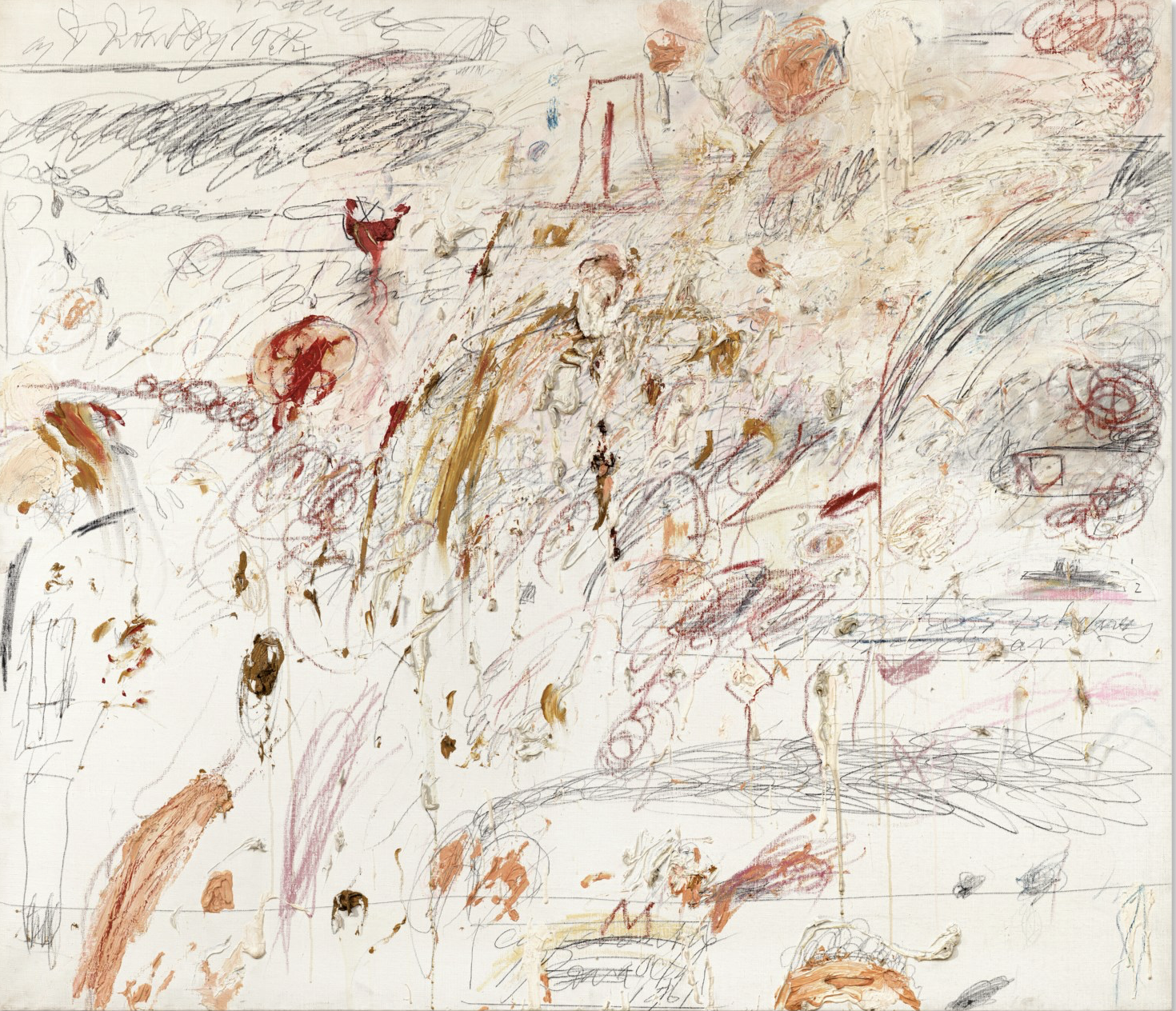
CY TWOMBLY (1928-2011), Untitled, 1961, Price realised USD 45,485,000
Across fairs, gallery dinners, private viewings, and evening sales, the city once again became the gravitational center of the art world this May. Yet unlike the exuberant frenzy of 2021, the mood felt sharper, more disciplined, more strategic. Buyers were not purchasing broadly. They were purchasing exceptionally.That may ultimately be the most important takeaway from Christie’s historic week.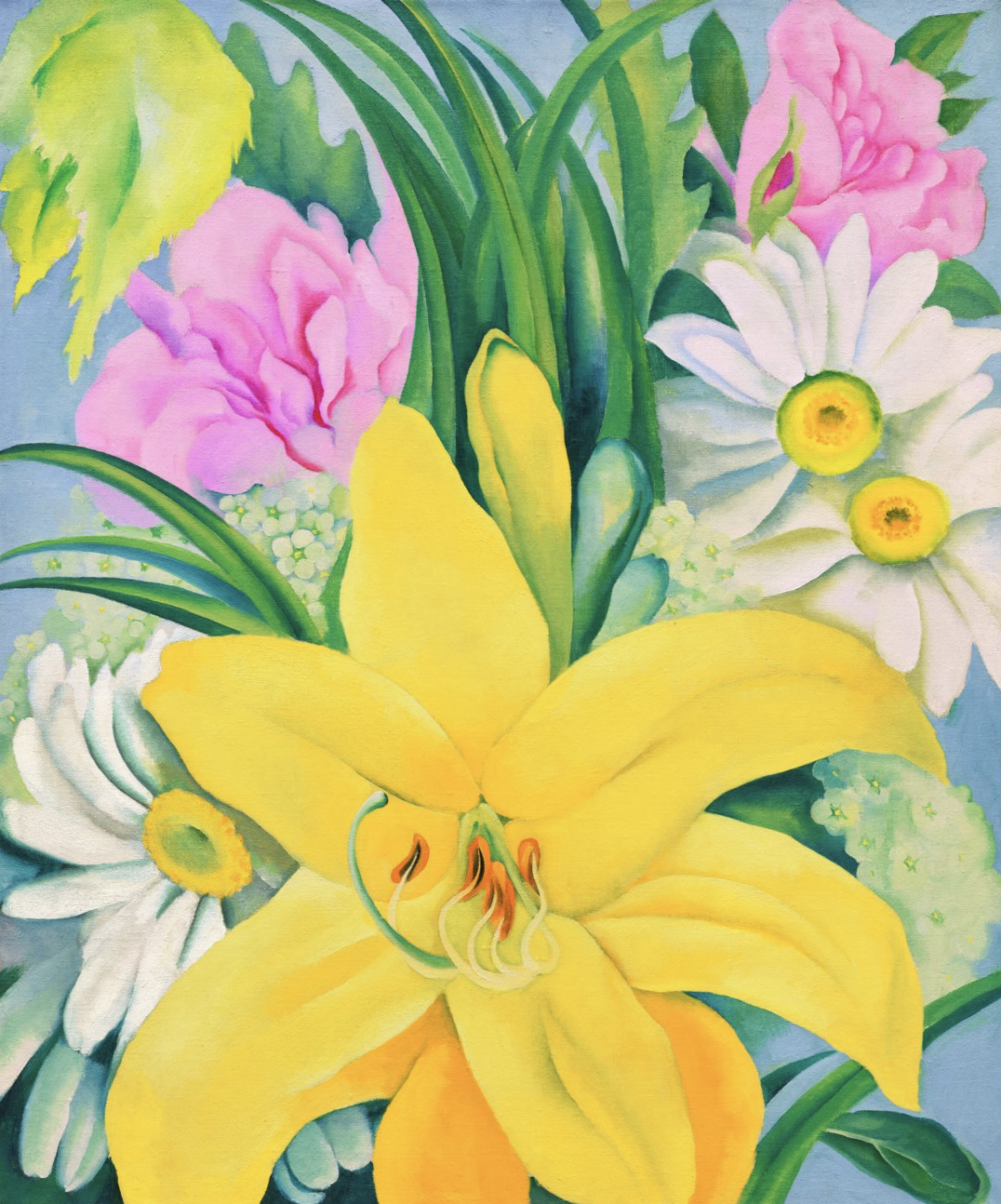
GEORGIA O'KEEFFE (1887-1986), From the Old Garden No. I, 1924, Price realised USD 13,055,000
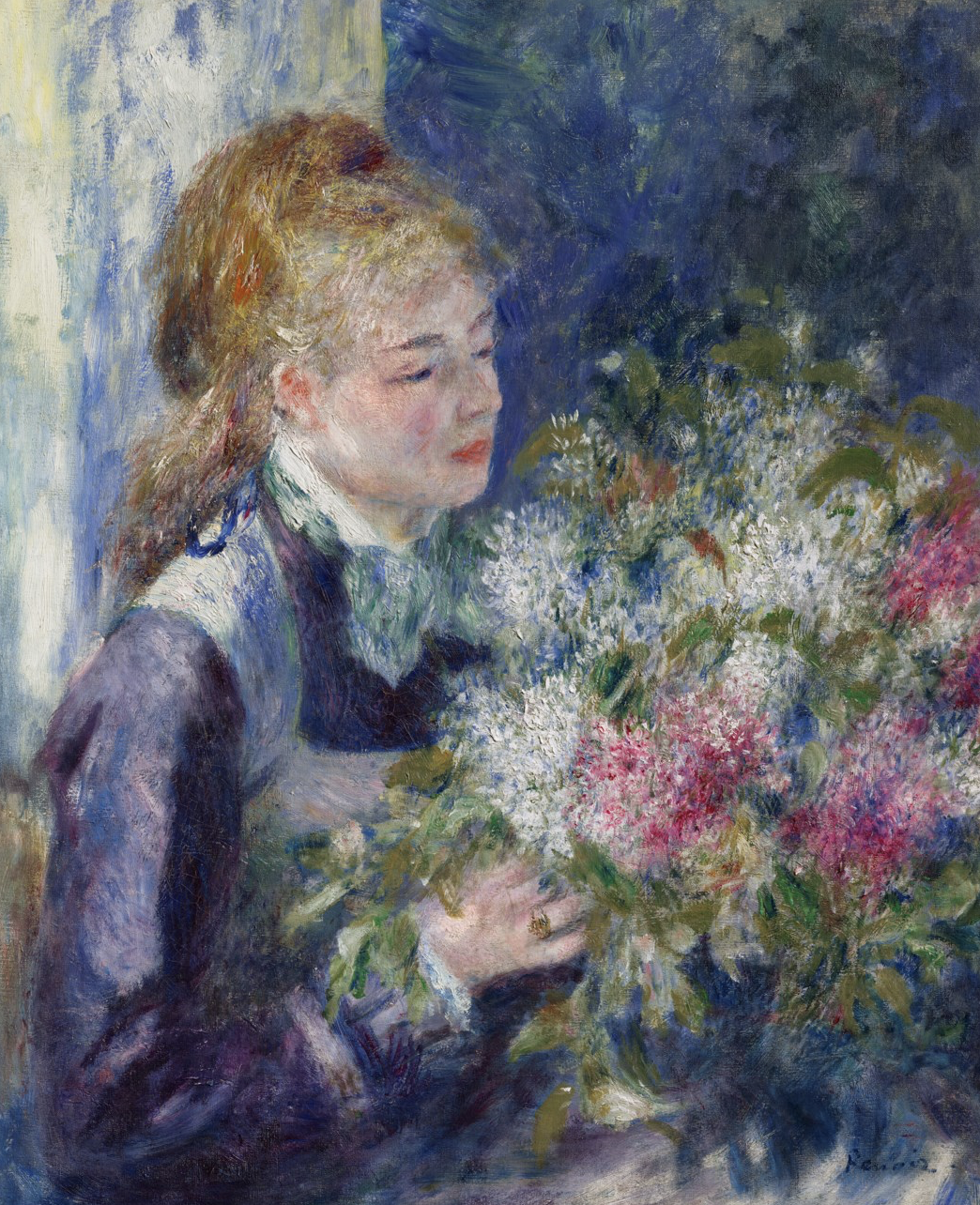
PIERRE-AUGUSTE RENOIR (1841-1919), La femme aux lilas (Portrait de Nini Lopez), Painted in 1876-1877, Price realised USD 28,235,000
The ultra-high-end market has not weakened structurally. It has evolved into a market of extraordinary selectivity, where only the rarest and most historically resonant works can command true competition. Christie’s understood that reality perfectly.By the close of the evening, the house had achieved something far more significant than headline numbers. It had restored momentum to the global art market itself, not through speculation, but through masterpieces powerful enough to silence uncertainty.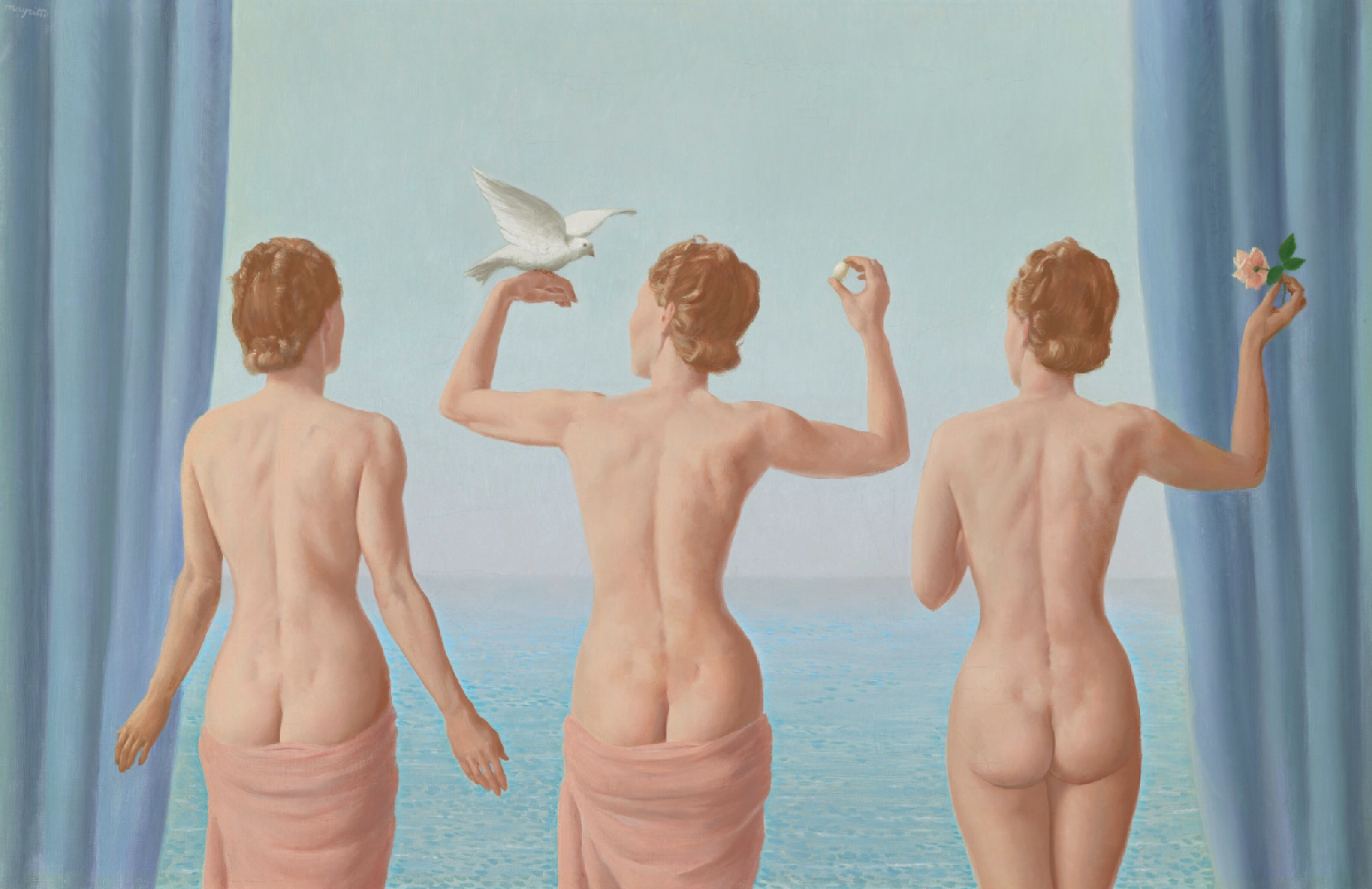
RENE MAGRITTE (1898-1967), L'Embellie ,1941, Price realised USD 6,785,000